Red Bull Racing Enters a New Era: Calm After the Storm?
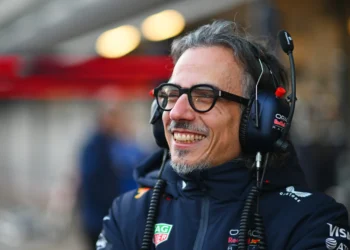
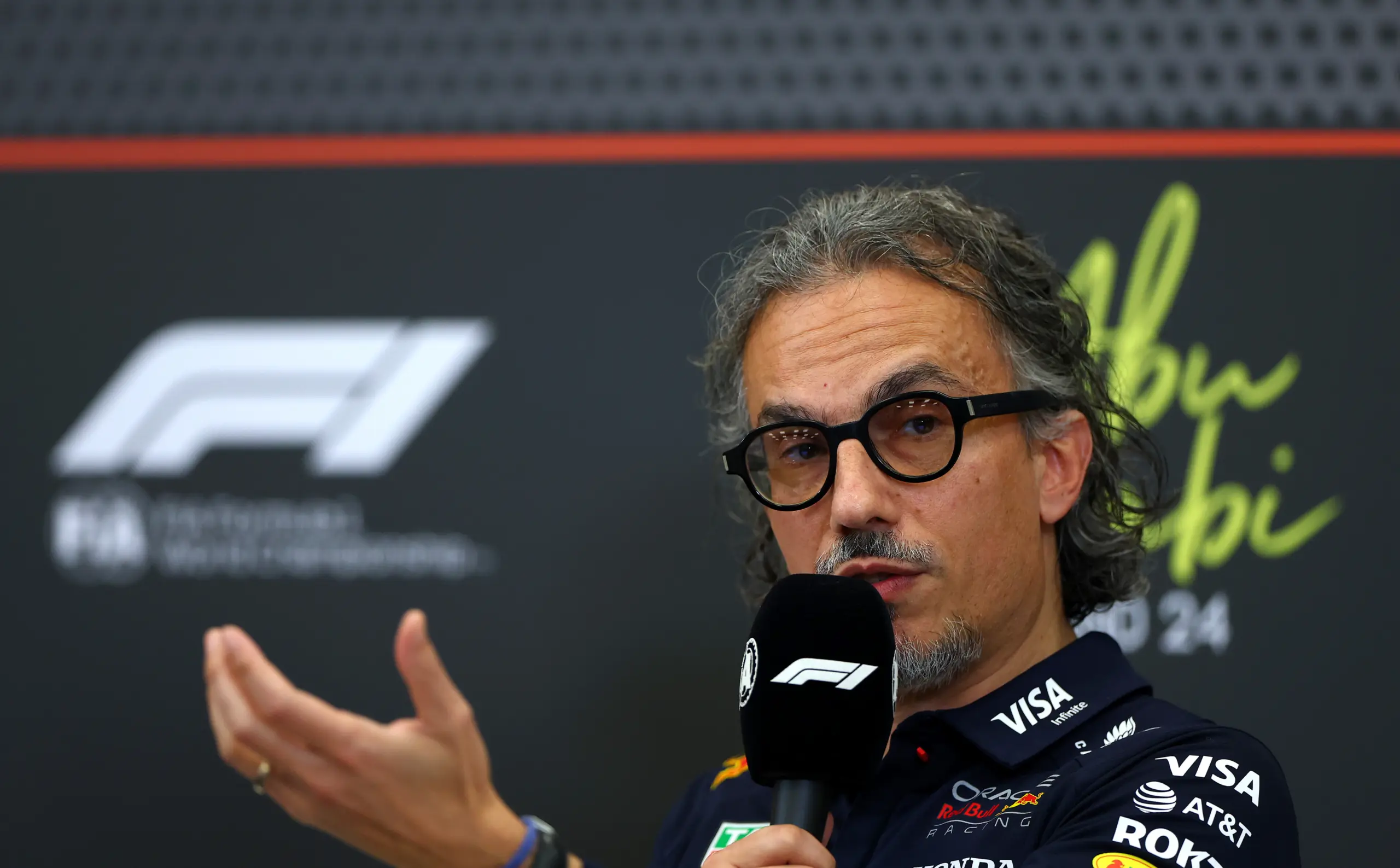
In a seismic shift for the Formula 1 landscape, Red Bull Racing finds itself at a crossroads as it embarks on a new chapter without its long-time leader, Christian Horner. The team has transitioned into a more tranquil environment following Horner’s controversial exit in July 2025, after two decades of steering the ship since the team’s debut in 2005. For the first time, the 2026 season will kick off with a new face at the forefront: Laurent Mekies, the former Racing Bulls executive who has been charged with the monumental task of revamping the team.
This change comes on the heels of a mixed performance at the end of the 2025 season, where star driver Max Verstappen clinched six victories in the final nine races. Despite narrowly missing out on the championship by a mere two points and finishing third in the constructors’ standings, there’s a palpable sense of optimism in the air.
Former Haas team principal Guenther Steiner has weighed in on the situation, shedding light on the impact of Mekies’ promotion. Steiner acknowledges that while the team’s resurgence cannot solely be attributed to Mekies’ leadership, the newfound calmness has significantly transformed the internal atmosphere. “I think that would be reading too much into it,” Steiner remarked when discussing Mekies’ influence. “Sure, Mekies has brought calm after the Horner turmoil – but the car’s performance was certainly there before, because Laurent can’t make a car fast in two weeks, he’s not that good. But the additional calm alone has made a big difference. It certainly helped Max Verstappen that there wasn’t excitement surrounding the team at every race. The whole team was finally able to concentrate on the essentials again.”
As the dust settles on this leadership shakeup, one burning question looms large: Can Mekies’ appointment secure Verstappen’s loyalty in the long run? Having been under Horner’s wing since 2016, the four-time world champion must now navigate the uncertainties of a new regime. Nevertheless, the improved team dynamics and encouraging performance trends may bolster his confidence as they prepare to face McLaren and other rivals in the wake of sweeping regulatory changes.
These new regulations threaten to upend the competitive order in F1, and while Red Bull is gearing up for a transformative era in power unit production, the path ahead remains fraught with challenges. Mekies faces the daunting task of not only convincing Verstappen to stay during this rebuilding phase but also ensuring that the team remains a formidable contender on the grid.
The prevailing sentiment is that Verstappen will utilize the 2026 season as a litmus test to gauge which teams have effectively mastered the new regulations before making any definitive decisions about his future. As Red Bull Racing navigates this uncharted territory, all eyes will be on Mekies and his ability to steer the team back to the pinnacle of motorsport. The question remains: will the calm truly usher in a new era of dominance, or is it merely the eye of the storm?