McLaren: A New Era Dawns as F1 Changes the Game for 2026
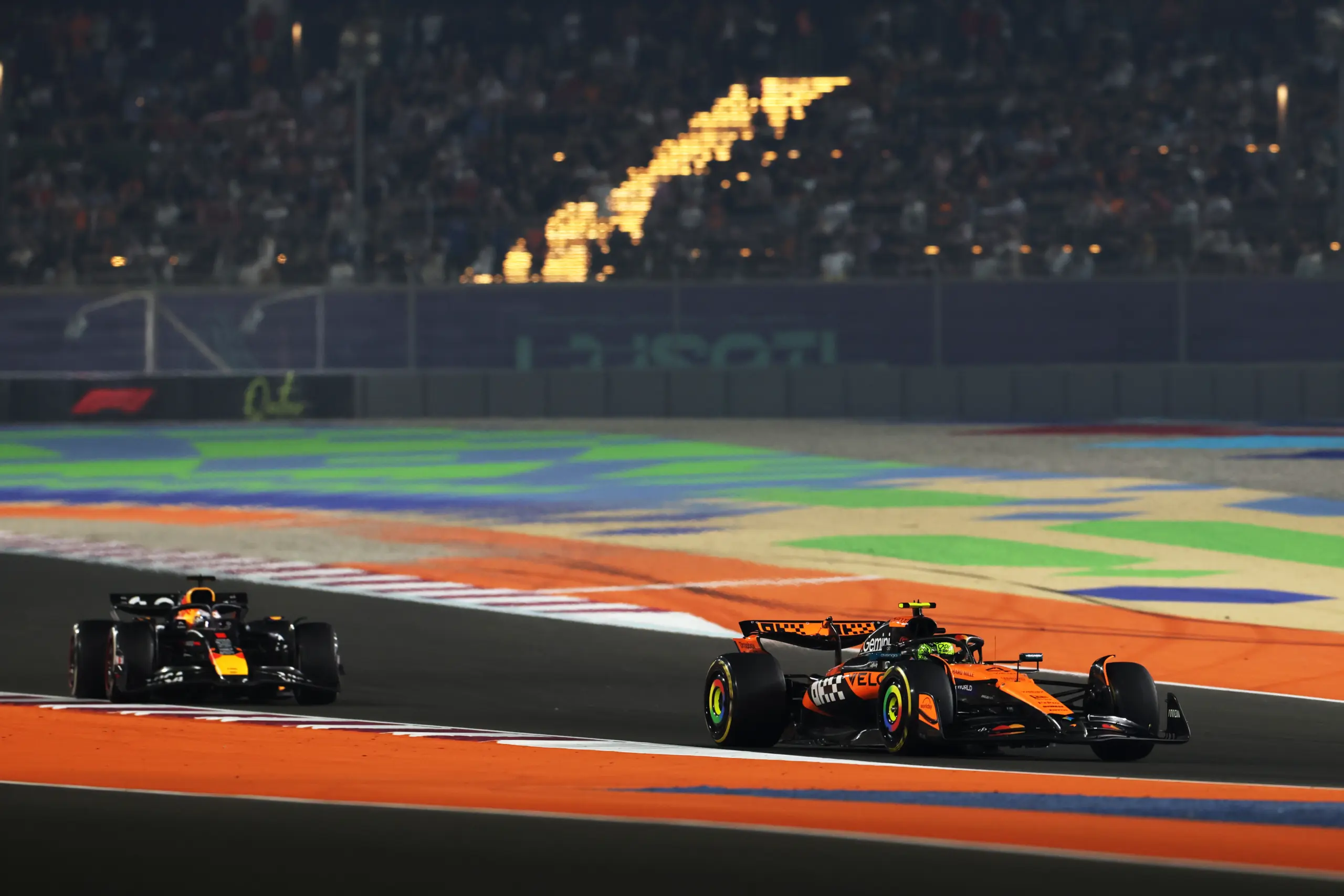
In a breathtaking twist of fate, McLaren has emerged as a formidable force in Formula 1, clinching a championship double in 2025. Their stunning mastery of the ground effect regulations has solidified their reputation, while rivals like Mercedes grappled with ongoing challenges. As the 2026 season looms on the horizon, the impending rules revolution ignites a thrilling debate: is McLaren’s success a fleeting moment in time, or the dawn of a new era?
From the ashes of a slow start, McLaren has ascended to heights rarely seen in recent F1 history. The team’s triumphs between 2022 and 2025 were no mere flukes; they were the result of a keen understanding of the intricate performance drivers inherent in the complex world of ground effect cars. As teams floundered, grappling with porpoising issues in early 2022, McLaren’s ability to optimize ride control and downforce placed them in the winner’s circle.
A significant turning point came with the arrival of Rob Marshall, former chief designer at Red Bull, whose profound knowledge of ground effect dynamics helped propel McLaren’s performance. Under his influence, the team embraced a revolutionary approach to suspension kinematics, mirroring the successful strategies previously employed by Red Bull.
However, as the clock ticks down to 2026, all of McLaren’s hard-earned knowledge will face a daunting reality: virtually none of it will translate into the new regulations. The upcoming cars will run higher, minimizing the Venturi effect and altering ride-height sensitivities. The focus will shift dramatically to power units and energy recovery systems, marking a seismic shift in performance dynamics.
But fear not, McLaren fans! The team’s core strengths—its talented engineers and designers—remain intact. The essence of what makes McLaren great is not confined to a single set of regulations; it thrives on a robust foundation of talent and innovation. Team principal Andrea Stella praised his exceptional crew, stating, “The technical team at McLaren is particularly strong…one of the strongest technical departments that I could have been part of in my career.” This unwavering belief in his team’s capabilities breeds optimism for the upcoming season.
Technical director Neil Houldey echoed this sentiment, emphasizing that successful development hinges more on the collaborative process than on arbitrary targets. “It’s not the targets. The most important thing is about the way you work, and the way you develop the car,” he asserted. Houldey’s confidence, along with the team’s relentless pursuit of excellence, bodes well for McLaren’s future in a transformed F1 landscape.
Adding weight to McLaren’s potential is none other than Mercedes boss Toto Wolff, a titan of the sport. Wolff acknowledged that while Mercedes struggled with the ground effect rules, the true strength of a team lies in its collective ability to adapt and thrive, regardless of the challenges presented. “Fundamentally, it’s a group of people working together, taking the right decisions…with the right infrastructure,” he stated, underscoring the power of teamwork.
As the countdown to 2026 accelerates, McLaren’s achievements over the past two seasons provide a strong foundation for what lies ahead. With the right blend of talent, innovation, and an unwavering commitment to excellence, there’s every reason to believe McLaren can maintain its momentum and continue its ascent in the world of Formula 1. Buckle up—this thrilling journey is just getting started!