Carlos Sainz Sounds the Alarm: F1 Offseason Too Short for Recovery!
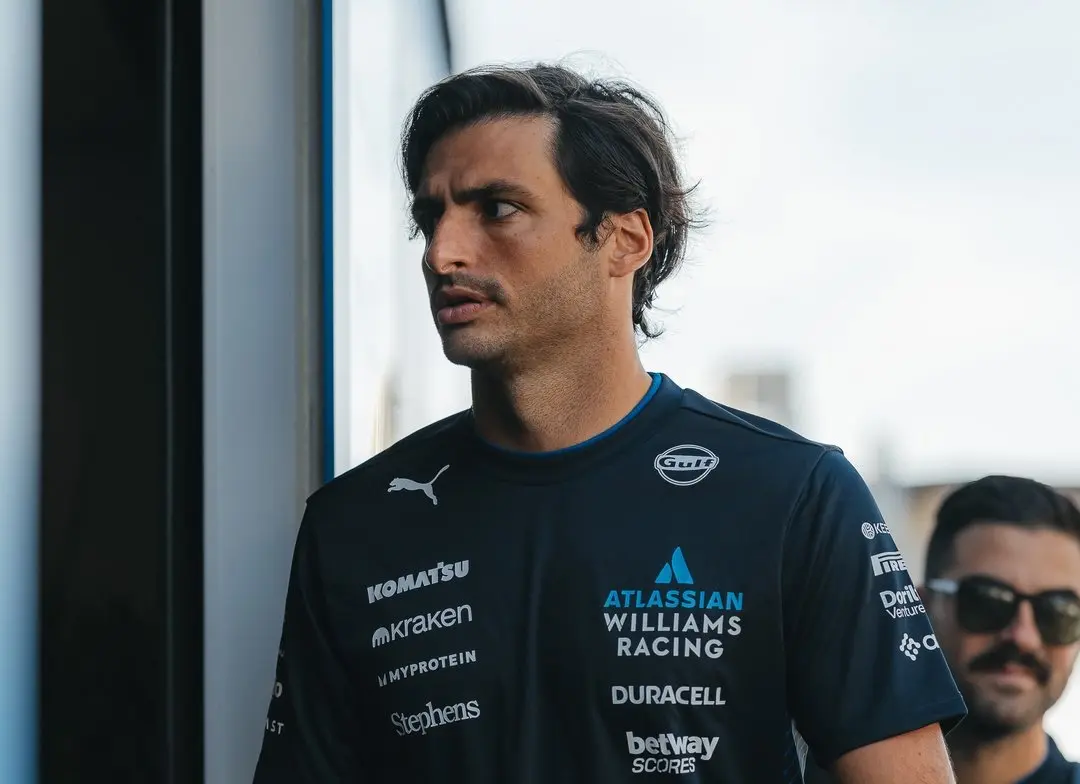
As the Formula 1 world gears up for a seismic shift in 2026, Carlos Sainz is raising a crucial red flag about the dangerously short offseason. With the relentless pace of modern F1, Sainz argues that the time allocated for drivers to recuperate is alarmingly insufficient, leaving both body and mind in jeopardy heading into a new era.
The Spanish driver has expressed serious concerns over the transition from the 2025 to 2026 seasons, pointing out that the brief winter break fails to meet the rigorous demands of recovery after a grueling season. “We’re looking at a couple of weeks off, but it’s not enough for what the body and mind need,” Sainz declared, underscoring a sentiment echoed by many in the paddock.
The upcoming season promises to be a game-changer, with a significant overhaul of chassis and power unit regulations that will see all 11 teams flocking to the Circuit de Barcelona-Catalunya for vital private tests in late January. These tests are pivotal, as they set the stage for the official pre-season starting in mid-February. However, the timing raises eyebrows. With the F1 calendar pushing deeper into December, the stark reality is that teams and drivers are left with barely any downtime to relax and recharge.
After the season-closing Abu Dhabi Grand Prix, drivers were thrust into a Pirelli tyre test, an opportunity for them to familiarize themselves with the new 2026 compounds. Despite the exhaustive schedule, most full-time drivers participated, illustrating the intense pressure they face. Sainz emphasized the importance of this testing period, stating, “We have a test on Tuesday, which I always consider important, because there’s no testing nowadays, so it’ll be an important test to assess 2026’s final tyres.”
It’s not just Sainz feeling the strain. Iconic drivers like Lewis Hamilton and Liam Lawson are also feeling the heat. Hamilton revealed he plans to resume training before the Christmas festivities, while Lawson echoed Sainz’s sentiments about starting the new year on a sprinting note. The unyielding demand for peak performance is clear, but is it sustainable?
Sainz’s candid remarks shine a spotlight on a pressing issue that could have far-reaching implications for driver health and performance as F1 continues to evolve. The notion that a mere couple of weeks off is adequate seems ludicrous when considering the physical and mental toll of a full season. “It’s the same for everyone, and I’m gonna maximize it, to try and come back stronger,” Sainz remarked, but one must wonder: at what cost?
As teams and drivers prepare for a transformative season, Sainz’s concerns serve as a wake-up call. Will Formula 1 listen to the voices of its athletes before it’s too late? The countdown to the 2026 season is on, and with it, the question of whether the sport can balance the thrill of competition with the well-being of its stars looms larger than ever.