Title: IndyCar Champion Alex Palou Lifts the Veil on McLaren’s Controversial ‘Papaya Rules’
In the high-octane world of Formula 1, drama unfolds not just on the racetrack but behind the scenes, where team dynamics often shape the fate of championship contenders. The latest controversy swirling around McLaren’s so-called ‘papaya rules’ has ignited fierce debate about driver loyalty and team orders. As the fight for the 2025 world title intensifies, former McLaren driver and current IndyCar sensation Alex Palou has stepped into the spotlight, shedding light on the complexities of obeying team directives.
The ‘papaya rules’ — a set of engagement guidelines imposed on Lando Norris and Oscar Piastri — were intended to ensure a fair competition within the team. Yet, these regulations have sparked discontent and heated discussions among fans and pundits alike. The most glaring instance of this internal strife occurred during the Italian Grand Prix, where Piastri, under team orders, relinquished second place to Norris after a botched pit stop saw Lando fall behind. This pivotal moment arguably paved the way for Norris to claim the championship, leaving many to question the fairness of McLaren’s approach.
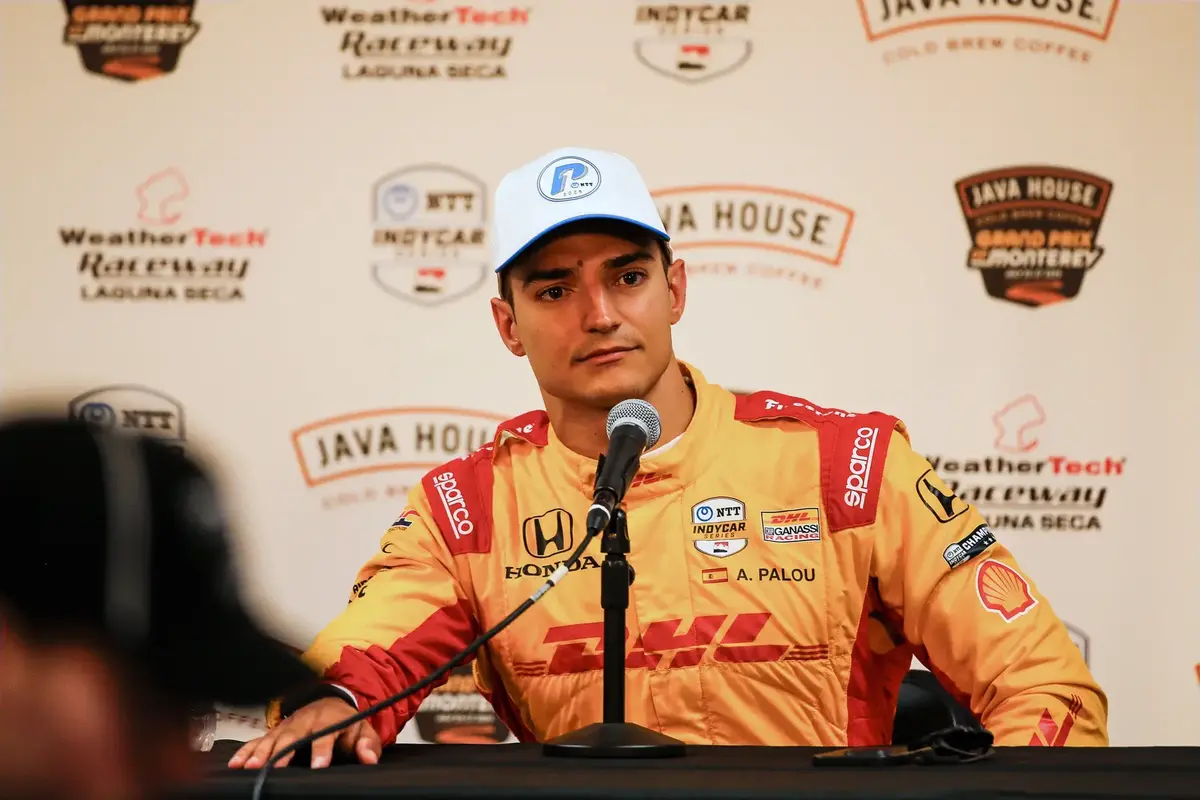
Palou, who has garnered immense acclaim in the United States with four IndyCar championships under his belt and is currently embroiled in a legal battle with McLaren, insists that the reality of disobeying team orders is far more complicated than it appears from the outside. “If you’re told to do something, you do it because, at the end of the day, you’re working for them,” Palou stated in an interview with Mundo Deportivo. His perspective highlights the inherent tension that exists between individual ambition and team loyalty in the cutthroat arena of motorsport.
“Disobedience? It’s not that simple,” Palou elaborated, emphasizing the emotional and professional stakes involved. “Yes, it’s easy to sit back and say, ‘No, I’m second, and he’s third, forget that; I’m going to finish ahead!’ But in that moment, you’re representing the brand, the factory, and so many people. If they tell you to do something, you’re essentially just an employee.”
Despite the accusations of favoritism that have circulated among fans and analysts, Palou is adamant that McLaren’s intent was not to unfairly elevate Norris above Piastri. “I believe this situation has been exaggerated,” he remarked. “They had the best car and wanted to project an image of a ‘friendly’ team that cares for its drivers. In trying to achieve this, they inadvertently created the impression that they were favoring one driver over the other. There was no favoritism, but it’s true that the papaya rules did not work.”
As the 2025 season looms closer, the implications of these internal conflicts could have lasting effects on McLaren’s performance and team morale. Palou’s insights into the pressures drivers face when balancing personal goals with team expectations serve as a stark reminder of the intricate web of loyalty, strategy, and competition that defines Formula 1. Will McLaren reevaluate its approach, or will the ‘papaya rules’ continue to sow discord among its drivers? Only time will tell, but one thing is certain: the road to the championship will be anything but smooth.