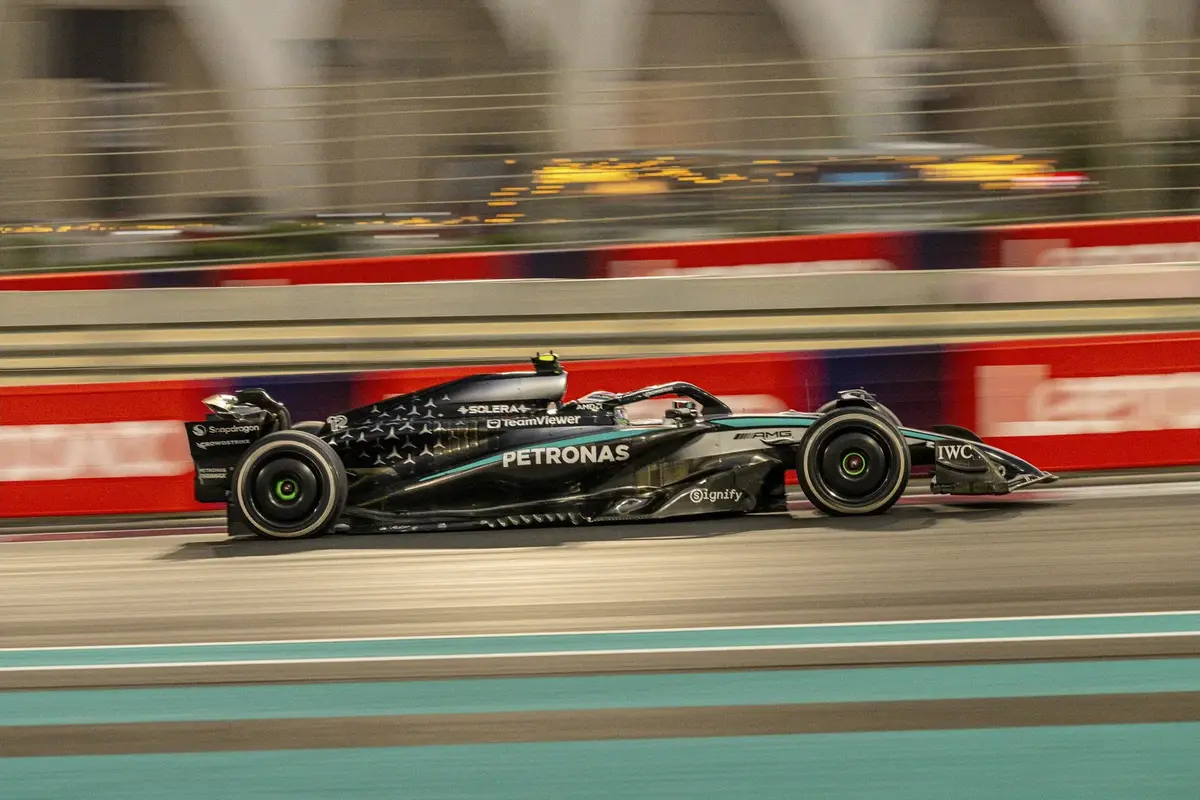
From Glory to Grit: The Mercedes F1 Saga of Struggles and Redemption
Once the undisputed titan of Formula 1, Mercedes is now seen as a team in the throes of redemption, clawing back from four tumultuous years of mediocrity. As the countdown to the 2026 regulations begins, whispers of a glorious comeback echo throughout the paddock. Can Mercedes reclaim its throne? The answer lies in a mixture of hope, innovation, and hard-learned lessons from the past.
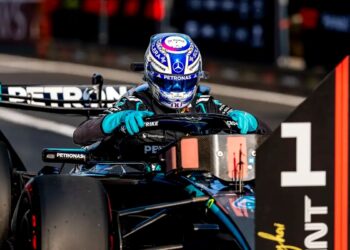
Toto Wolff, the shrewd team principal, remains cautious, embodying the spirit of a “glass-half-empty” realist. “I’m never confident,” he admits, underscoring the weight of his team’s recent failures. Mercedes is determined to avoid the pitfalls that left them floundering in the 2022-2025 seasons, a period marred by missteps and missed opportunities that saw them finish as only the fourth-most-successful team. They know that mere talent is not enough; they must weave a tapestry of competitive excellence from the threads of their past mistakes.
What went wrong during these years of struggle? The answer is multi-faceted, but four key blunders stand out starkly against the backdrop of Mercedes’ illustrious legacy.
Mistake #1: A Catastrophic Start
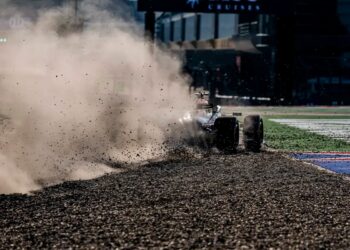
In the high-stakes world of F1, starting a new regulations era on the back foot can spell disaster. Mercedes’ audacious decision to launch the ground-breaking W13 with its infamous zero-sidepod design was a gamble that backfired spectacularly. Initial simulations suggested the car would dominate, but the reality was a harsh awakening as the team faced severe porpoising issues. “We got off to a wrong start,” Wolff lamented, highlighting the chaos that ensued as they scrambled to fix one problem only to unveil another. In a world where extra funding can no longer bridge gaps due to cost caps, this error proved catastrophic.
Mistake #2: Chasing False Dawn
As the ground-effect regulations rolled out, Mercedes clung to the belief that there was untapped potential buried within their car. This hope led to what Wolff termed “false dawns.” The introduction of an upgraded front wing and a stiffer floor initially seemed to unlock the performance they craved, but soon revealed deeper flaws. The W13, designed for low ride heights, struggled with a lack of rear suspension travel. Despite a late-season victory in Brazil, the optimism proved misguided as the following year brought more challenges and no wins.
Mistake #3: Development Missteps
The 2023 model, the W14, became a symbol of miscalculation. A decision to chase higher ride heights in the wake of porpoising regulations backfired, resulting in a car that failed to capture any race victories. Technical director James Allison later admitted the team’s conservative approach stunted their progress, leading to a season that felt like a write-off. The struggle intensified as they attempted to modify the rear suspension of the W16 mid-season in 2025, only to realize too late that they had introduced detrimental characteristics to the car dynamics.
Mistake #4: Stubborn Innovation vs. Strategic Adaptation
Mercedes prided itself on innovation, but this dedication morphed into a stubbornness that hindered progress. While other teams adapted and thrived, Mercedes held fast to its original concepts. Shovlin, a key team figure, acknowledged that a little more flexibility could have yielded better results sooner. The switch to a pushrod rear suspension in 2024 showed a willingness to adapt, but it came too late, as opportunities slipped through their fingers.
Despite these setbacks, the spirit of F1 teaches resilience. The lessons learned from their failures are invaluable, and with the dawn of new regulations on the horizon, Mercedes is well-positioned to turn the tide. 2026 will see not just a new car but a fresh opportunity to leverage the hard-won knowledge of the past.
If Mercedes can channel its innovations into a formidable power unit and a cutting-edge chassis, they could emerge as a fierce competitor once again. The upcoming season is a blank canvas, and with every ounce of experience gained through adversity, there’s a palpable sense that the Silver Arrows are on the brink of a thrilling resurgence. The question remains: have they truly learned from their past, or will history repeat itself? Only time will tell as the engines roar back to life on the grid.