Mercedes’ Suspension Saga: Andrew Shovlin Unveils the Truth Behind the F1 2025 Turmoil!
In a shocking revelation that could change the course of the F1 2025 season, Mercedes’ head of trackside engineering, Andrew Shovlin, has lifted the veil on a critical misstep that sent the team spiraling during the European stages of the championship. The introduction of a seemingly promising rear suspension upgrade at Imola turned into a nightmare, leading to a series of underwhelming performances that left fans and drivers alike scratching their heads in disbelief.
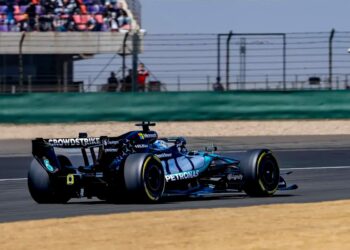
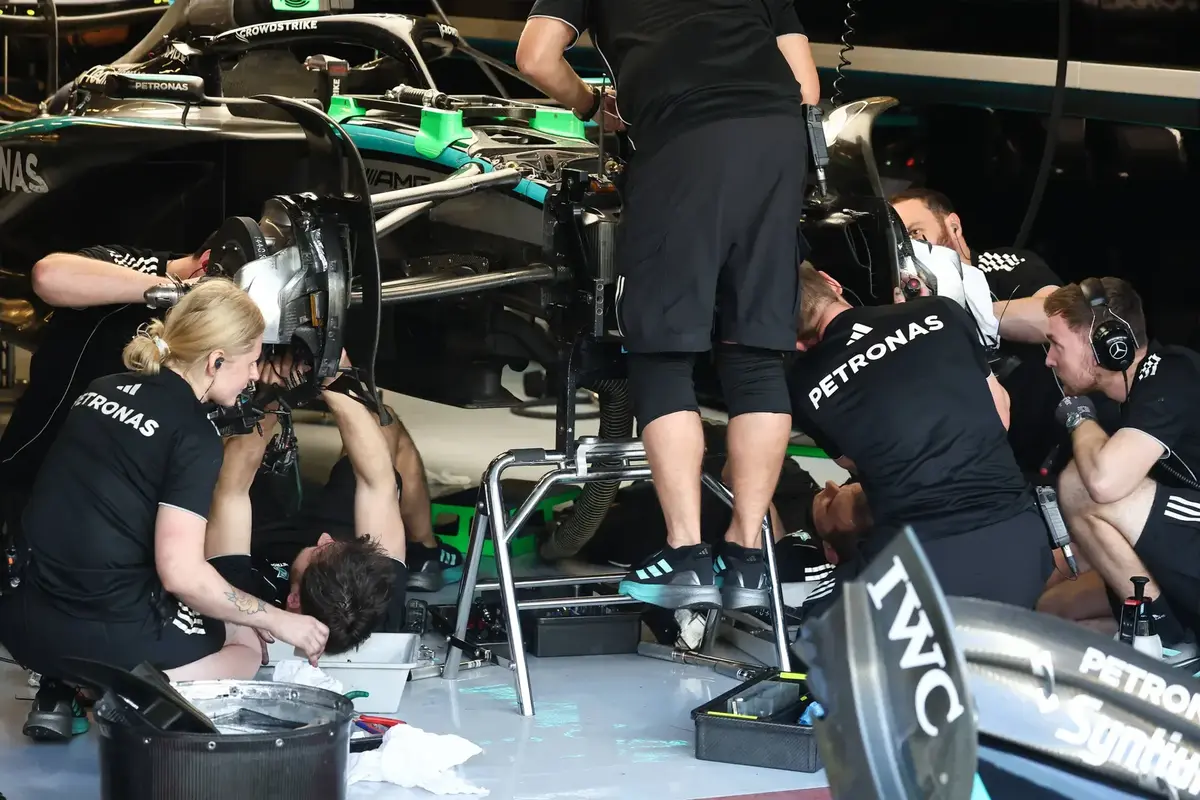
The saga began with high hopes as the W16 was fitted with a new suspension system, designed to enhance performance. However, what followed was a disheartening realization that the anticipated gains were nowhere to be found. Following a dismal run culminating in the Hungarian Grand Prix, Mercedes made the bold decision to “put the update in the bin,” a move that underscores the chaos brewing behind the scenes at Brackley.
Shovlin candidly admitted that the team appeared to have taken a wrong turn on their development path. Despite early successes in the first six races, including a commendable 1-3 finish in Montreal, the return to Europe exposed the car’s flaws. The rear suspension upgrade, which was supposed to be a game-changer, instead became the focal point of frustration as the drivers struggled to find the confidence needed to compete at the highest level.
“Over the last couple of years, we were struggling to get the car to turn effectively in slow corners,” Shovlin stated, providing insight into the team’s rationale behind the ill-fated upgrade. The introduction of new regulations from the FIA complicated matters further, leading to a seismic shift in how teams had to approach car balance and suspension dynamics. Mercedes, caught in the crossfire of stringent new rules, found themselves grappling with an uphill battle to regain their competitive edge.
The rear suspension design was influenced by observations of rival teams, particularly McLaren, who were innovating with anti-lift mechanisms to optimize cornering performance. However, this quest for improvement backfired spectacularly when the new components introduced unexpected stiffness issues, ultimately compromising the car’s performance more than anticipated.
As the season progressed, it became increasingly clear that the team was trapped in a cycle of confusion. The FIA’s new flexibility tests for front wings further complicated their setup, creating an imbalance that overwhelmed the drivers. “These regulations don’t organically create a nice balance around the lap,” Shovlin reflected, highlighting the precarious position Mercedes found themselves in as they juggled multiple variables—all while trying to unlock the car’s potential.
With the stakes higher than ever, Shovlin’s reflections on the situation reveal a team that is acutely aware of its shortcomings in adapting to the rapidly evolving F1 landscape. “We wouldn’t say we underestimated the challenge of getting a nice through-corner balance,” he admitted, showcasing the internal battles faced by a once-dominant team now scrambling to keep pace with rivals.
As Mercedes charts its path forward, the reversion to the pre-Imola specifications has already shown positive early signs, with George Russell making a triumphant return to the podium. The urgency to refine their approach ahead of the 2026 season is palpable, and fans are left wondering if the lessons learned from this tumultuous chapter will be enough to restore Mercedes to its former glory.
In a sport where every millisecond counts, the repercussions of these revelations will resonate throughout the paddock. Can Mercedes bounce back from this setback, or has the misstep sealed their fate in the fiercely competitive world of Formula 1? Only time will tell, but one thing is for certain—the drama surrounding Mercedes’ suspension saga is far from over!