
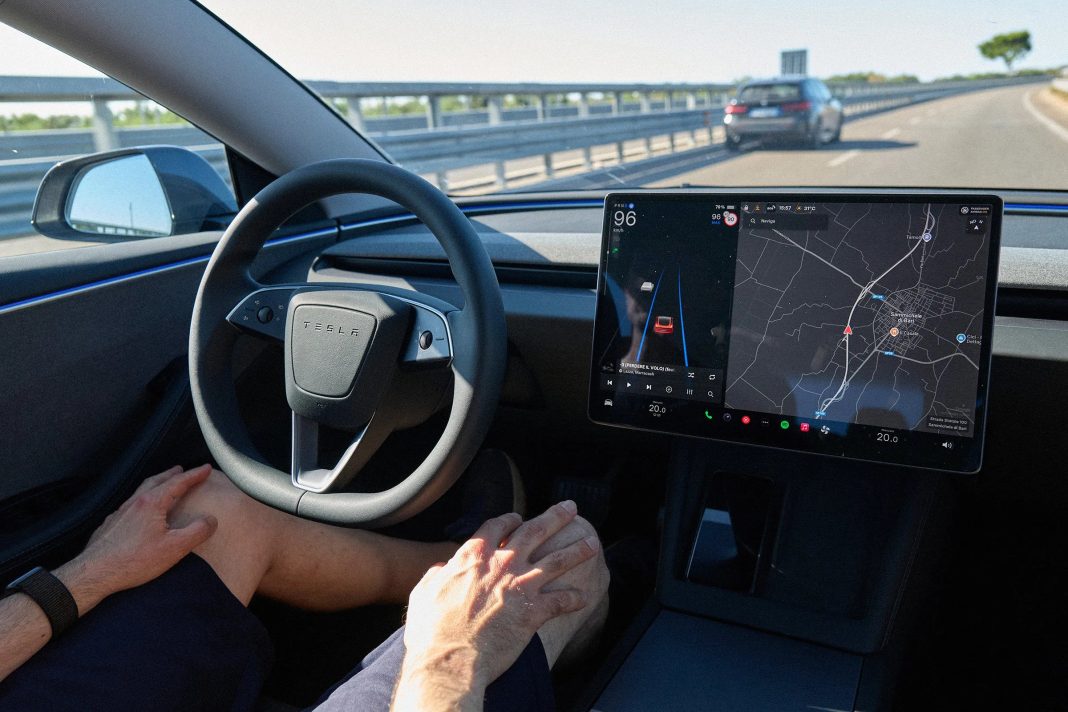

The approval of Tesla's Full Self-Driving in the Netherlands, in April, was presented as the significant step that would open the doors of Europe to Tesla's most advanced supervised autonomous driving system. The reality, however, is considerably more complicated. Regulatory authorities in Sweden, Finland, Denmark, and Norway have serious reservations about the FSD, and as long as these doubts are not satisfactorily addressed, the Netherlands will remain the only European country where the system can legally operate on public roads.
The Dutch road safety agency, the RDW, was the first European regulator to give the green light to the FSD, in a decision that was widely interpreted as a precursor to broader approval across the European Union. But internal documents and correspondence between regulators, revealed by Reuters, show a very different picture from the initial optimism. Several Nordic countries have made it known that they will carefully review Tesla's request for the Dutch approval to be recognized in their territories before making any decision.
The concerns raised are concrete and difficult to ignore. Hans Nordin, from the Swedish Transport Agency, highlighted the issue of speeding: the FSD allows the vehicle to operate above legal limits, a practice that the Swedish authority considers unacceptable and that immediately calls into question the system's compliance with local traffic legislation. Jukka Juhola, from the Finnish transport authority, was even more direct in his inquiries, openly questioning how the FSD would perform on roads covered in ice and snow, conditions that characterize a significant part of the year in much of Finnish territory. His question was not rhetorical: “Are they really introducing a system that allows hands-free driving even on icy roads at 80 km/h?” he asked, drawing attention to the risk of a sudden evasive maneuver on an icy road.
The issue of the system's name also came into debate. The term Full Self-Driving, some regulators argue, is potentially misleading for users because it overstates the actual capabilities of the system. Tesla wants to launch the FSD Supervised version in Europe, which implies that the driver must keep their eyes on the road and remain attentive at all times, which directly contradicts what the name suggests to a less informed user. This tension between what the name promises and what the system actually delivers is a regulatory argument with considerable legal weight in several European countries.
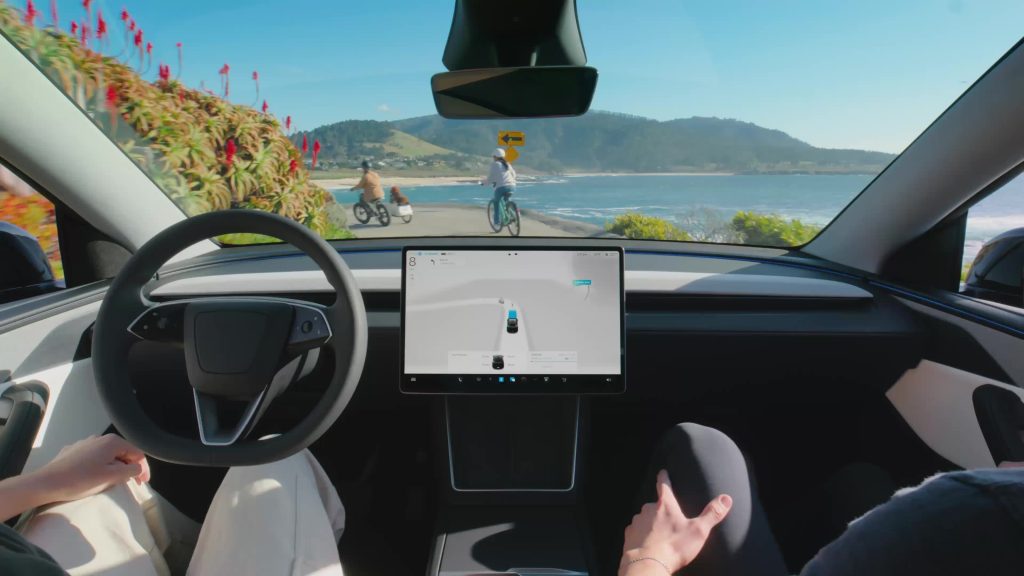
Another point of friction has emerged regarding the use of mobile phones while FSD is active. Clarity about what the driver can and cannot do during supervised driving is essential for legal compliance, and regulators want definitive answers before allowing any expansion.
The process that makes FSD legal throughout the European Union requires representatives from at least 55% of member states and 65% of the European population to vote in favor. There is no vote scheduled in the near future, as the next committee meetings are set for July and October. What makes everything even more complicated is the fact that the Dutch RDW has not yet made public the dataset and methodology it used to approve FSD. As long as this information is not shared with other regulators, skepticism will always have a legitimate basis to persist.
There is an element of this story that reveals a lot about how Tesla approached the European approval process. The company actively encouraged Tesla owners to email regulatory authorities to push for faster approval. The result was that regulators were, in the words of an official Norwegian source, “flooded with emails from Tesla enthusiasts” that had to be responded to, consuming time and administrative resources. Tesla's own policy manager in the EU acknowledged that this type of organized email campaign is “generally unhelpful” for the approval process, an admission that raises questions about the brand's lobbying strategy with European authorities.
Some regulators have praised the capabilities of the FSD, which shows that the assessment is not uniformly negative. However, between the recognition of the system's technical capabilities and formal regulatory approval, there is a path that Tesla will have to navigate with more patience and less pressure than it has demonstrated so far. For Portuguese and European Tesla owners awaiting access to the FSD, the upcoming meetings in July and October will be the decisive moments. Until then, only Dutch drivers are authorized to activate the system on public roads.