

F1's Bold Move for 2031: Goodbye Hybrid Era, Hello V8 Power!
In a shocking shakeup that could redefine the future of Formula 1, the FIA is set to make a game-changing decision regarding the motors for the next technical cycle, slated for 2031. With whispers of a dramatic pivot away from the current hybrid model, the motorsport world is abuzz with speculation and anticipation. The FIA’s Technical Director, Jan Monchaux, has been vocal about the pressing need to finalize these changes, stating, “We cannot remain hostages to car manufacturers. Discussions on modifications must start now, as the development timeline for a power unit is quite extensive.”
The current hybrid power units, which blend internal combustion with electric technology in a controversial 50-50 balance, face mounting criticism. Monchaux's sentiments echo those of his colleague, Nikolas Tombazis, who emphasizes that the time for action is now. “We need to put pen to paper by this summer,” he insists, underlining the urgency of the situation. The FIA is keen to ensure that any significant revisions to the engines genuinely reflect the interests of all constructors, aiming for a consensus that promotes sustainability while addressing the glaring weaknesses of the present formula.
Moreover, the financial strains on manufacturers cannot be overlooked. Monchaux declared, “Given the financial situation of constructors, cost reduction is an absolute priority.” This revelation raises eyebrows—could we be witnessing the end of an era dominated by intricate hybrid technology in favor of a more traditional yet powerful V8 engine?
While the official rollout date remains 2031, insiders hint at the tantalizing possibility of an earlier introduction of new regulations, potentially as soon as 2029. This notion isn't entirely new; discussions regarding a shift were initiated last year, fueled by the realization that the 2026 cycle could be fraught with complications. However, resistance from major players like Audi and Honda, wary of investing in new engines so soon, had tempered enthusiasm for these changes.
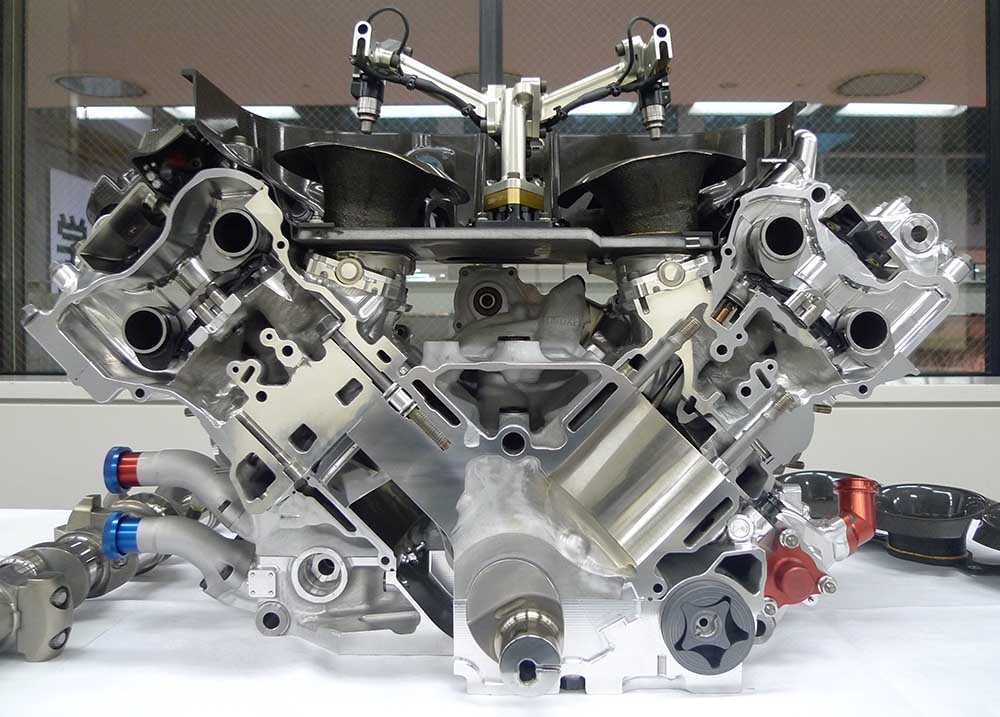
As it stands, the 2031 regulations are shaping up to favor a turbocharged V8 configuration, coupled with a standardized MGU-K system and a commitment to sustainable fuels. The reduced reliance on electric components signals a significant shift in the sport's direction, promising a return to raw power and exhilarating speed that fans have long craved.
With only a few months left before the FIA's pivotal decision, the motorsport community is on tenterhooks, eagerly awaiting the dawn of a new era in Formula 1. Will this bold move rejuvenate the sport, or will it spark further controversy? One thing is for certain: the engines of change are revving up, and the world will be watching closely.