
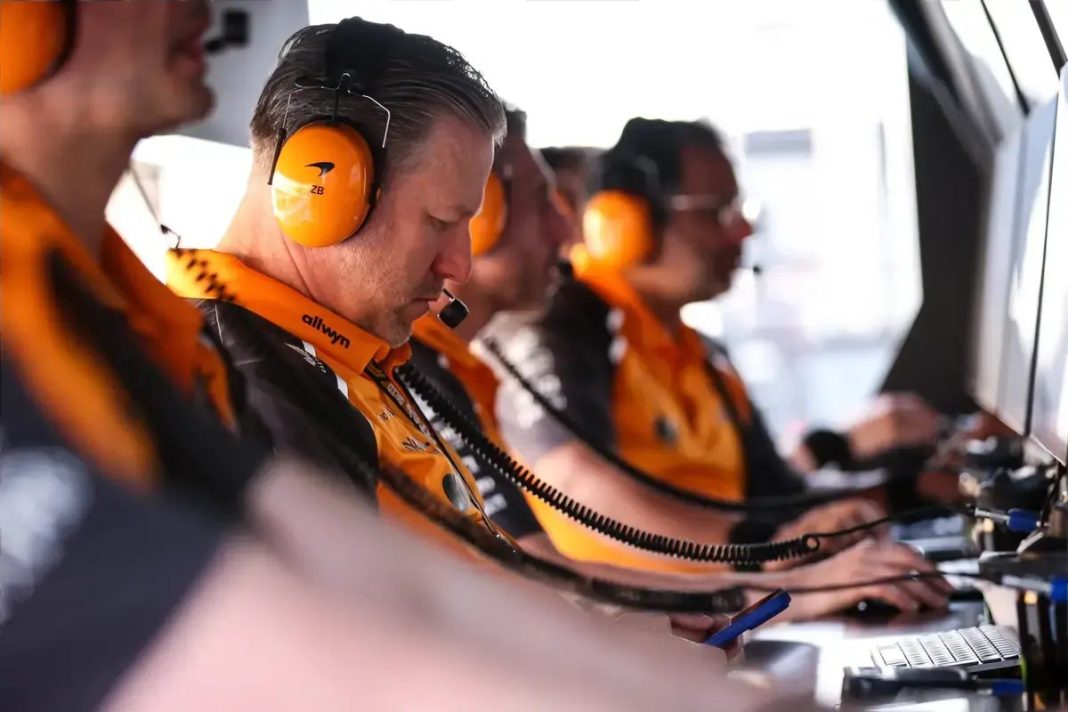

McLaren's Phoenix Rise: From Gloom to Glory Under Zak Brown's Vision
In an astonishing transformation that has sent shockwaves through the Formula 1 world, Zak Brown has revealed the incredible renaissance of the McLaren racing team. Having joined the iconic British team in late 2016, Brown stepped into a role that would change the trajectory of McLaren forever. Initially serving as executive director for the McLaren Technology Group, he ascended to the position of CEO of McLaren Racing just 18 months later, and the results have been nothing short of spectacular.
Under Brown's leadership, McLaren has stormed back to the pinnacle of Formula 1, clinching back-to-back Constructors' Championships and witnessing the long-awaited return of a Drivers' Championship, thanks to Lando Norris, who broke a 17-year drought last season. The resurgence is not just a tale of victories; it’s a testament to Brown's strategic foresight that has revitalized a once-ailing team.
But what lies at the heart of this success? Brown himself points to a profound change in “people and culture” as the cornerstone of McLaren's revival. Reflecting on his first day at the team, he recalls a “dark environment,” where the very aesthetics of the car mirrored the team's morale—painted in somber black and dark grey. “You could feel it was a cold environment,” Brown lamented. The atmosphere was rife with dissatisfaction among partners, drivers, and the majority of the race team, alongside swirling conspiracy theories that clouded the team's focus.
Fast forward to today, and Brown describes McLaren as a “much more vibrant team.” He emphasizes that the wealth of talent within the organization was always present; it merely needed to be unlocked. By fostering motivation, excitement, and, crucially, fun, Brown has transformed the workplace into a hub of creativity and competitive spirit. “We race cars for a living. It's more fun winning than losing,” he stated passionately.
The cultural shift is palpable. Gone are the days of division between departments—Brown has forged a unified front where every employee, from the leadership team to the commercial department, understands their vital role in achieving on-track success. “When we win on Sunday, the finance department knows they had a big role in that,” he shared, highlighting how the entire team collaborates towards a common goal.
The once-dichotomous atmosphere of “us and them” has been replaced with a collective commitment, where even minor adjustments—like modifying vinyl on the race car for weight-saving purposes—generate excitement across departments. This newfound synergy is vital in a sport where every detail matters and can make the difference between victory and defeat.
While Brown is realistic about the presence of politics within any organization, he confidently asserts that McLaren has significantly reduced its impact. “I wouldn’t want to be as naive as to say we have no politics here, but I'd say we have very little,” he remarked, indicating a healthier environment for innovation and collaboration.
As McLaren continues to reclaim its place among the elite in Formula 1, the journey from darkness to dynamism under Zak Brown serves as an inspiring case study in leadership, culture, and the relentless pursuit of excellence. The team is not just racing cars, but also racing towards a brighter, more united future.