
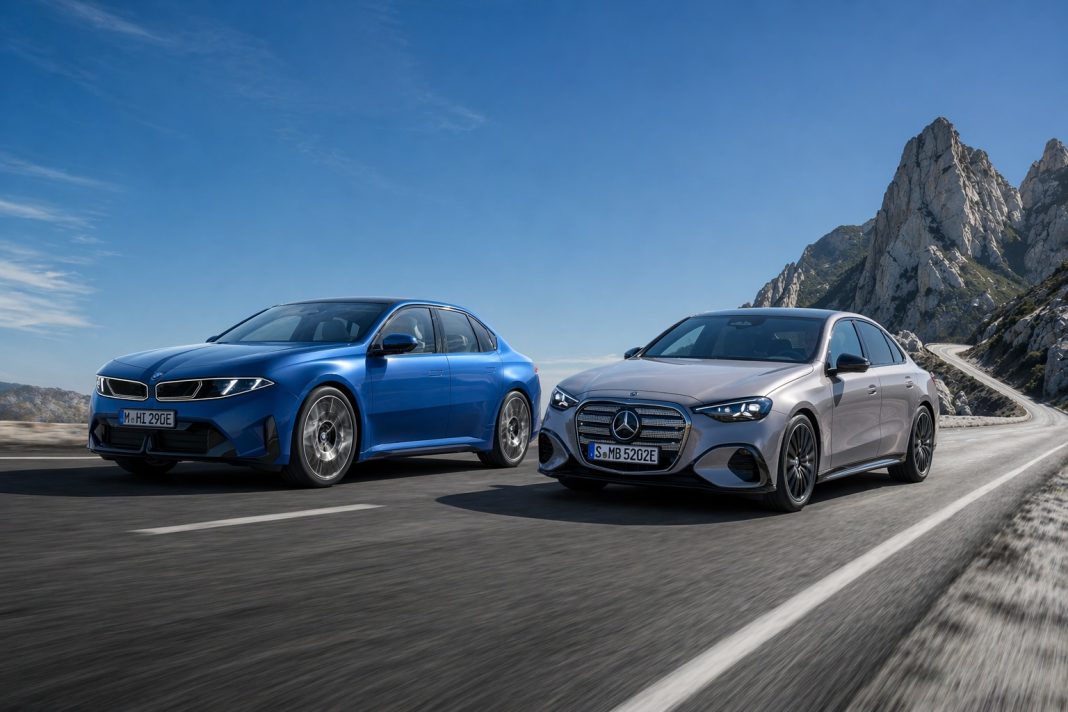

The rivalry between BMW and Mercedes-Benz is back at the center of the premium electric segment, but in completely new forms. On one side is the new BMW i3, a model that strongly focuses on efficiency, charging, and a more futuristic interpretation of the electric car. On the other side emerges the new Mercedes-Benz electric Class C, which seeks to transport the brand’s classic values into the electric era: luxury, comfort, refinement, and technological sophistication. The confrontation is direct, but the philosophy of each is very different.
The article from InsideEVs frames this opposition well: the BMW appears more advanced as a pure EV, while the Mercedes wants to be, above all, a complete premium sedan that just happens to be electric. The big question is to understand which one will be better for each type of buyer. And here the answer goes beyond just the numbers. It involves space, ergonomics, range, charging, handling, technology, usability, and even brand identity.
1. Concept and positioning: same war, different weapons
At first glance, both target the same customer: those looking for a premium mid-size electric sedan with serious range, fast charging, and brand status. But right here there is an important difference. The Mercedes-Benz electric Class C has grown significantly and is closer in dimensions to a traditional Class E, while the BMW i3 remains more aligned with the scale of a Series 3. This alters the perception of the product and also the expectations of usage.
Mercedes wants its electric C-Class to be seen as a natural extension of the C-Class lineage: elegant, comfortable, luxurious, and very polished. BMW, on the other hand, seems to use the i3 as a showcase for a new generation of electric vehicles, with bolder technical and visual innovation. That is why this comparison is not just between two cars: it is between two strategies to conquer the future.
2. Dimensions and space utilization: Mercedes larger, BMW possibly smarter
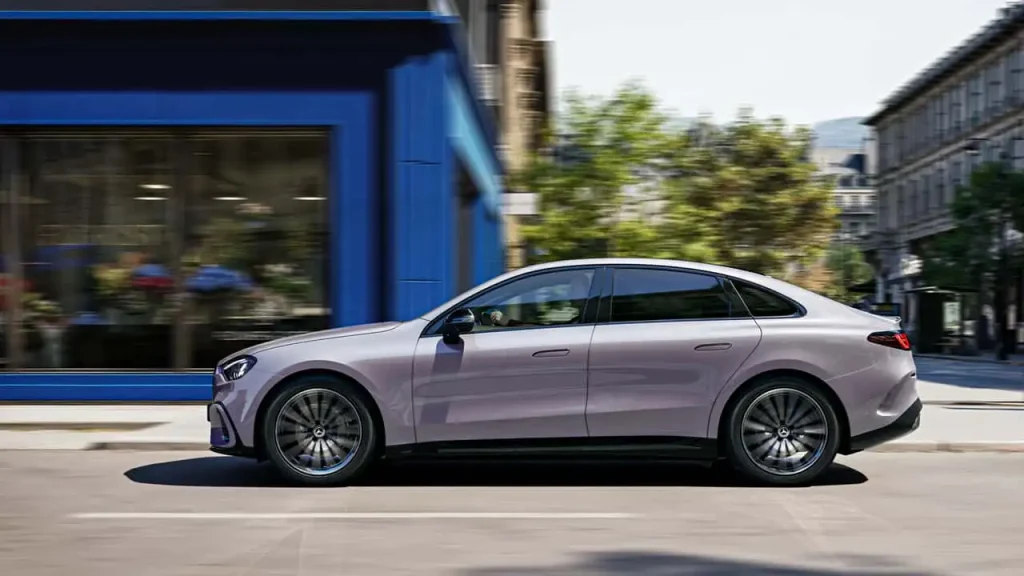
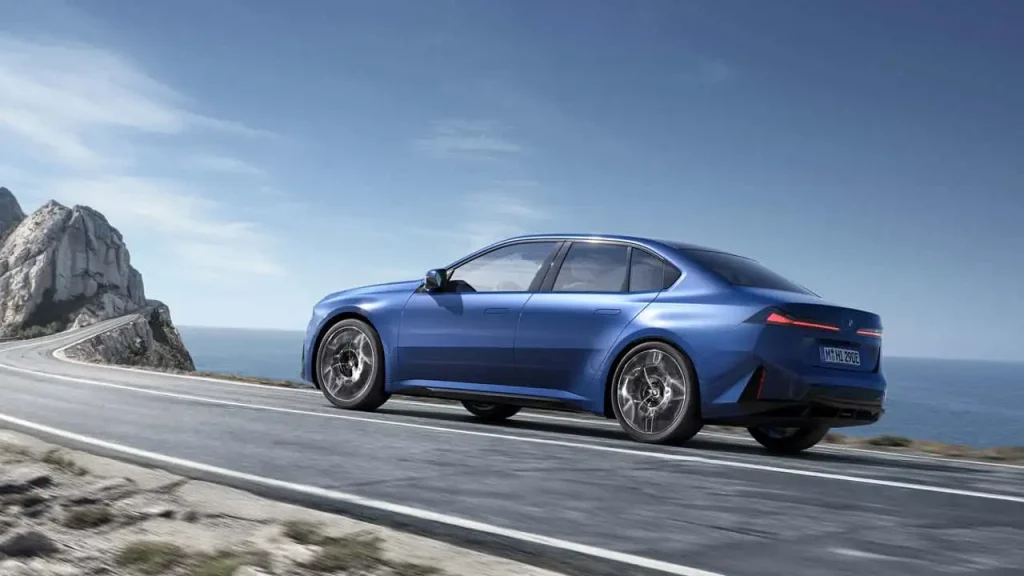
In exterior measurements, the Mercedes takes the lead. It measures 4.88 meters in length and has a wheelbase of 2.96 meters. The BMW i3 is 4.76 meters long and has a wheelbase of 2.89 meters. This means that the Mercedes is about 12 cm longer, has a wheelbase that is 6.5 cm longer, is also slightly wider, and a bit taller.
But the big surprise is that the larger exterior size of the Mercedes does not automatically translate into better rear space. According to an analysis by InsideEVs, the electric C-Class offers less foot and knee space in the back than one would expect, while the BMW i3 appears to be slightly better in this area, despite being smaller on the outside. This is relevant because in premium sedans, rear space remains an important criterion, especially for company clients and families.
In the trunk, the Mercedes already has official numbers: 470 liters, to which it adds a frunk of 101 liters. It is a very strong combination in practicality. BMW had not yet disclosed the official cargo volume at the time of comparison, so here the Mercedes clearly has an advantage both in documentation and functionality.
Verdict of this round:
- Mercedes wins in physical presence and declared practicality.
- BMW seems more efficient in space for rear occupants.
3. Exterior design: reinterpreted tradition vs embraced future
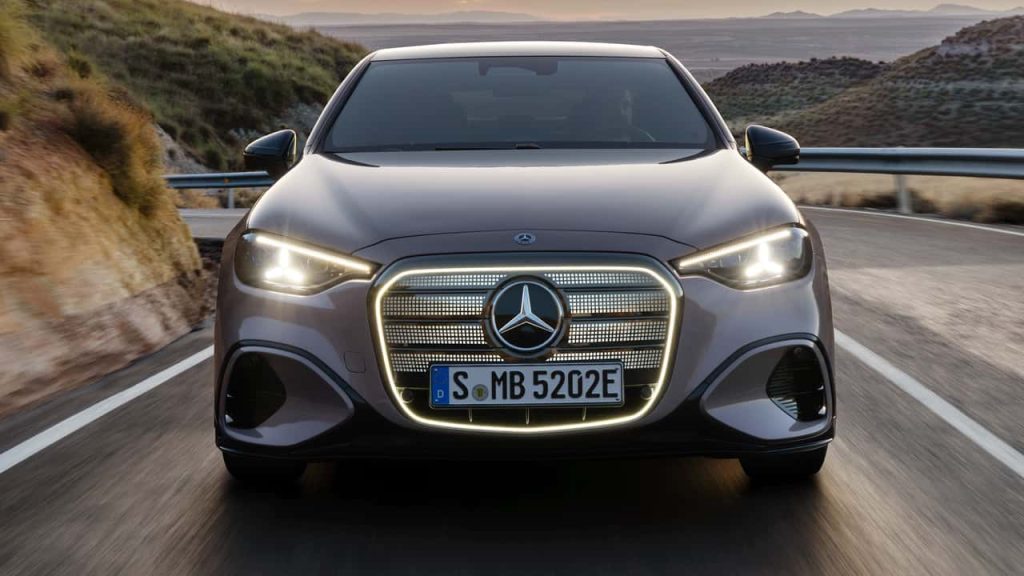
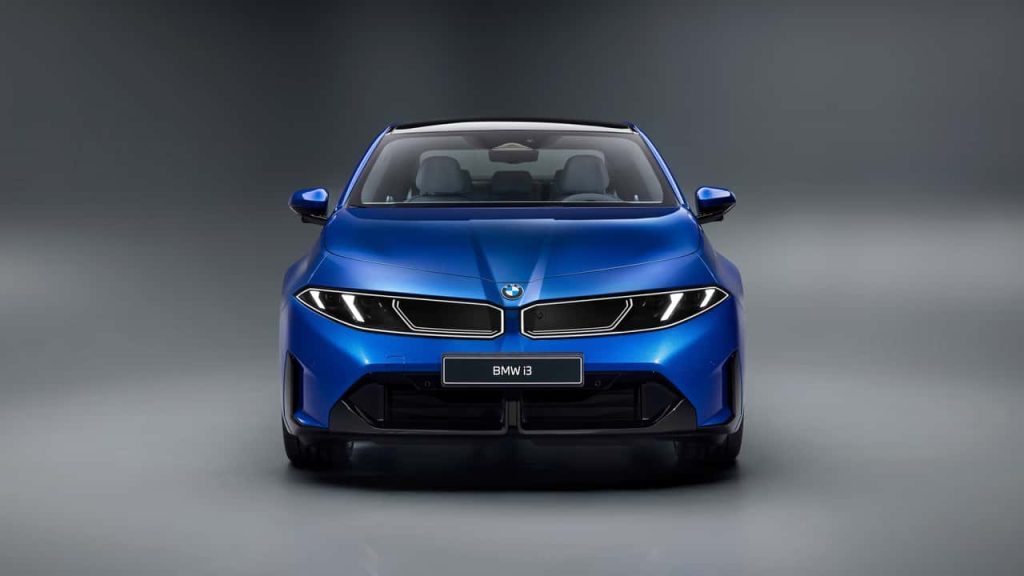
Although the article from InsideEVs focuses more on substance than style, the visual reading between the two cars is clear. The electric Mercedes-Benz C-Class presents itself as a more fluid, elegant, and classic sedan, with a strong connection to the brand’s language. The BMW i3, on the other hand, positions itself as a more experimental product and more explicitly “EV,” both in its surfaces and in how it communicates technology and modernity.
This also influences the type of buyer each attracts. The Mercedes will appeal more to those who want a discreet premium electric vehicle, more “mainstream executive.” The BMW has more potential to attract those who want to feel they are buying something new, different, and bolder.
4. Power and performance: Mercedes starts stronger
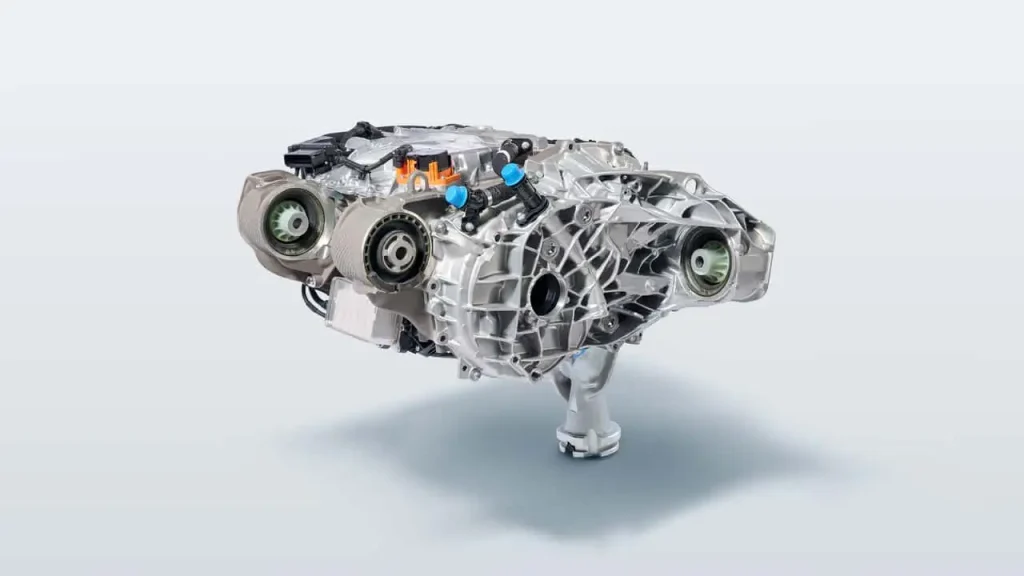
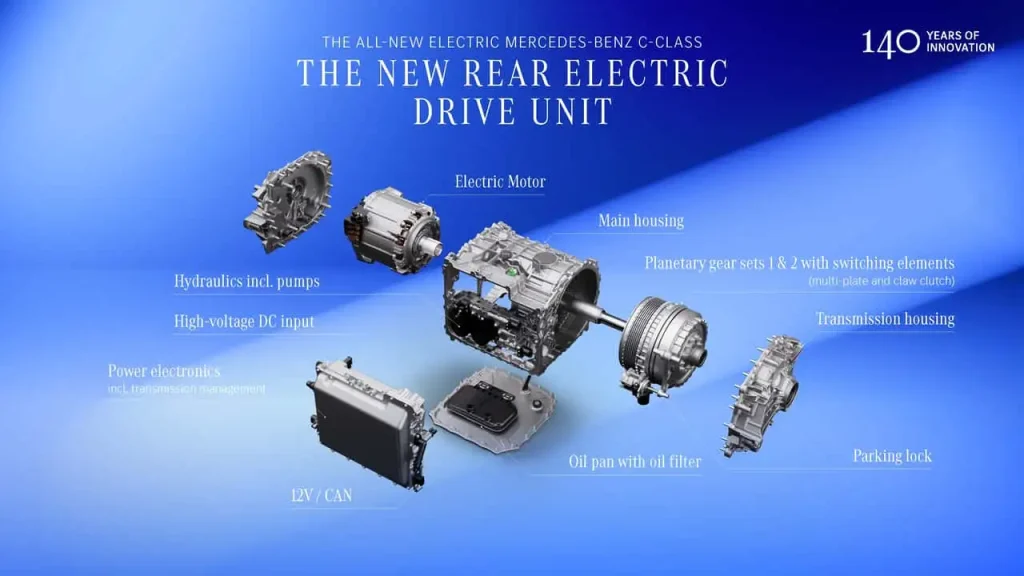
In the launch phase, the Mercedes-Benz C400 4Matic features a dual-motor system that delivers 482 hp and 800 Nm, achieving 0-100 km/h in 3.9 seconds. This is a very strong figure for a sedan in this segment and gives the model a quite aggressive entrance. Mercedes also employs a two-speed gearbox in the rear motor, designed to improve both acceleration and efficiency, and a front motor that can mechanically decouple to save energy.
The BMW i3 xDrive50, also with two motors, outputs 469 hp and 645 Nm. This means it is only 13 hp below, but it loses significantly more in torque. BMW has not yet released the official time for 0-100 km/h, but the estimate from InsideEVs points to around 4.5 seconds, based on the equivalent iX3, which uses the same mechanical setup and, being heavier, achieves 4.9 seconds.
In practice, this suggests that the Mercedes will likely feel more explosive and muscular during accelerations and corner exits, while the BMW may compensate with greater finesse and dynamic progression.
Verdict of this round:
- Mercedes wins in the initial technical specifications and acceleration.
- BMW remains very strong, but takes a step down in brutality.
5. Platform, battery, and range: here BMW changes the game
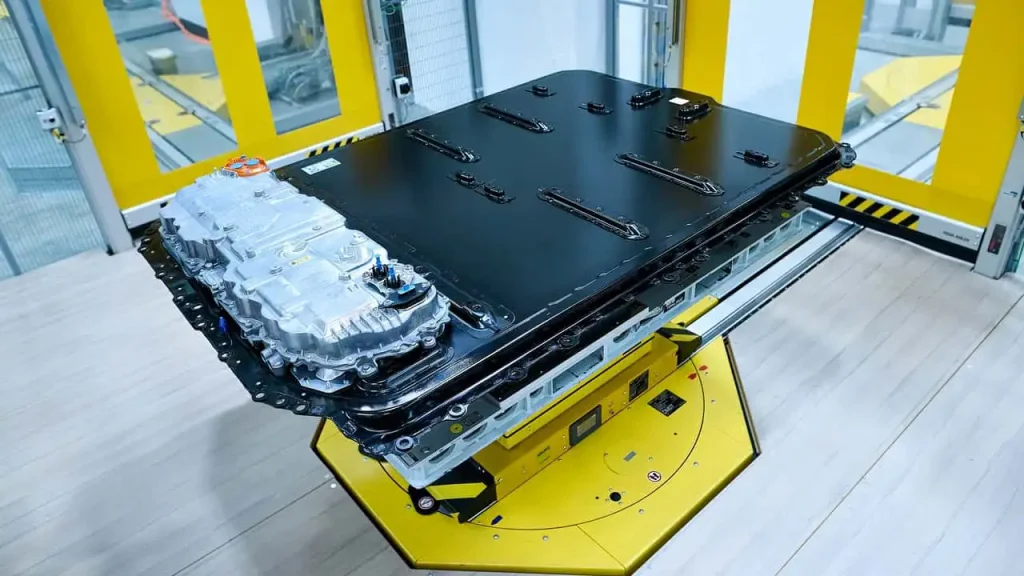
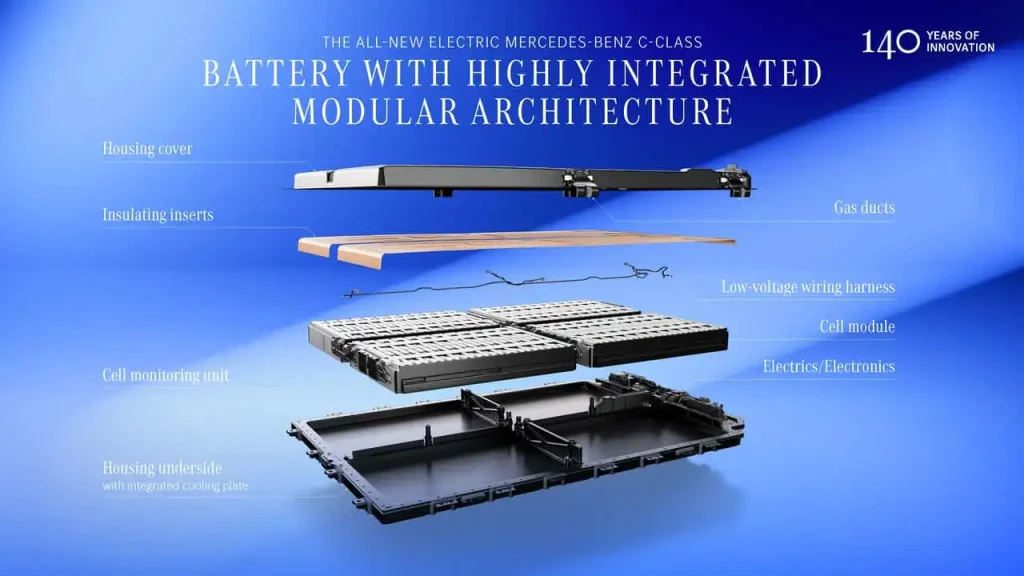
It is in the chapter on autonomy that the BMW i3 delivers the hardest blow. BMW announces a battery of 108.7 kWh, clearly larger than that of the Mercedes, which stands at 94.3 kWh. The result is a WLTP range of 900 km for the BMW, compared to 762 km for the Mercedes. This is a huge difference on paper and places the i3 in a very rare category among electric sedans.
It is true that WLTP values tend to be optimistic and that there were no EPA numbers yet, but even applying a realistic discount to both, the BMW still starts with a very clear advantage. This makes it, on paper, the most suitable car for those who value long distances, less frequent charging, and a more relaxed electric experience in daily use and on the highway.
Moreover, there were already data circulating about a future rear-wheel-drive version with a smaller battery in the Neue Klasse universe, with 82.6 kWh, 315 hp, and even 620 km WLTP, which indicates that BMW may cover the range with great intelligence, offering everything from extreme efficiency to high performance.
Verdict of this round:
- BMW clearly wins in autonomy and in technical ambition as a pure EV.
6. Charging: BMW also leads
The BMW i3 is not limited to winning in battery and range. It also wins in charging. The announced maximum power is 400 kW, compared to 330 kW in the Mercedes. In practical terms, the BMW can add 400 km of range in 10 minutes, while the Mercedes remains at 325 km in the same timeframe. For charging from 10% to 80%, the BMW points to 21 minutes, compared to 22 minutes for the Mercedes.
The difference in total time is small, but the most important data is the ability to absorb more energy and deliver more kilometers per minute. This reinforces the idea that the BMW was developed with an almost obsessive focus on the functional side of the electric vehicle.
InsideEVs notes, however, that the Mercedes may exceed its official peak under ideal conditions, as happens with the GLC EV, even surpassing 350 kW. Even with this nuance, the BMW continues to win in this chapter.
In bidirectional charging, both support V2L, but BMW has also confirmed V2H and V2G in the i3, which gives it a technological advantage again.
Verdict of this round:
- BMW wins in charging power, recovered range, and energy features.
7. Onboard technology: Mercedes spectacle, BMW silent sophistication
Both cars are technologically advanced, but the way they showcase this technology is completely distinct.
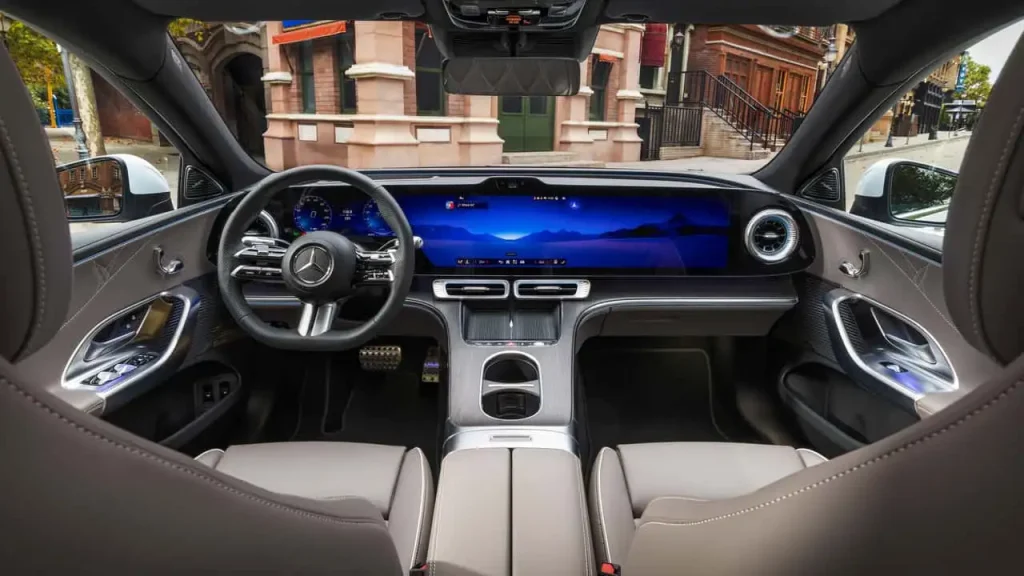
The Mercedes bets on the “wow” effect. The optional 39.1-inch Hyperscreen, which stretches across the dashboard from side to side, is described by InsideEVs as the most eye-catching and ostentatious approach. Even the standard solution, with three screens, reinforces this image of a grand digital spectacle. Mercedes wants the driver and passengers to feel they are in a highly futuristic object.
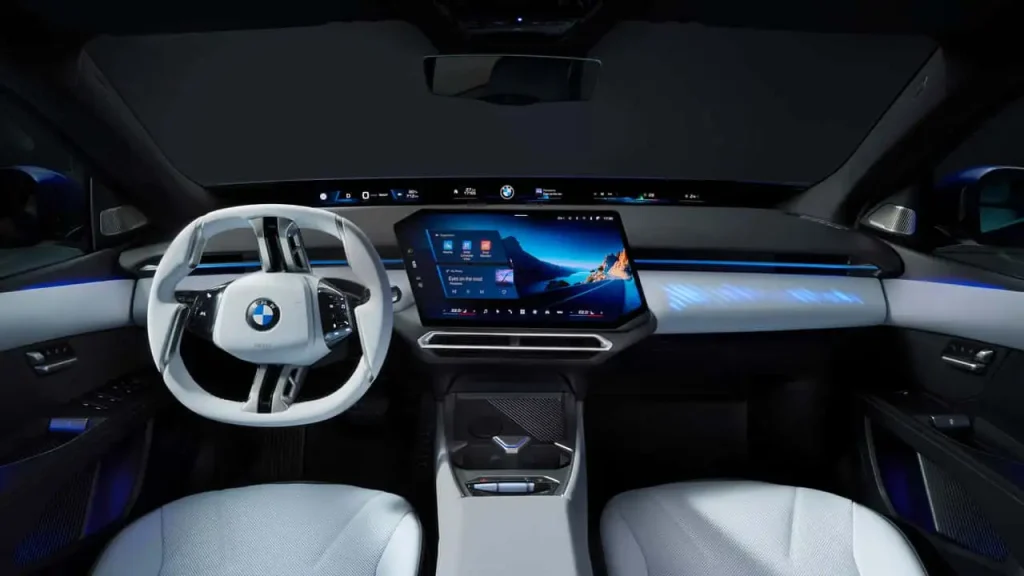
The BMW follows an opposite philosophy of “shy tech.” It has a 17.9-inch central screen, with an unconventional design, but less theatrical. The truly distinguishing element is the large 43-inch panoramic display along the base of the windshield, a sort of crossover between a head-up display and an extended digital panel. The author’s assessment is clear: he liked the solution very much and gives the advantage to BMW in this area.
Here comes an essential point: those who want a more luxurious and exuberant environment will tend to prefer the Mercedes. Those who value a more subtle and less intrusive integration of technology may find the BMW smarter.
Verdict of this round:
- Mercedes impresses more.
- BMW looks more elegant in execution and, according to InsideEVs, has a functional advantage.
8. Comfort and suspension: Mercedes with very strong arguments
If there is one area where Mercedes can change the overall perception of BMW’s advantage, it is in comfort. The Stuttgart brand offers a Comfort and Agility Package with adaptive air suspension and a rear axle that steers up to 4.5 degrees, something that BMW does not provide in this direct comparison.
The reading from InsideEVs is important: if these solutions work in the C-Class as they did in the GLC EV, then Mercedes will have a much broader range of personalities, being able to offer a level of comfort and adaptability that BMW cannot match. This could be decisive for customers who value isolation, ride quality, and versatility between urban use, highway driving, and faster driving.
That is, although the BMW may seem like the most advanced EV, the Mercedes has the potential to be the most complete premium sedan as a luxury and wellness object.
Verdict of this round:
- Mercedes wins in chassis solutions and superior comfort potential.
9. Dynamics and driving experience: BMW feels sharper, Mercedes more polished
BMW has made a lot of noise around its supercomputer Heart of Joy, which manages how the car brakes, corners, and responds. InsideEVs has already tested this setup in the iX3, and the description is quite complimentary: smooth, precise behavior, very controlled, with ease to play with the rear and even execute extremely refined stops, in a “limo stop” style.
The Mercedes also brakes smoothly, but the author explicitly states that it does not reach the level of refinement of the BMW in this regard. This suggests that, although the Mercedes may be more comfortable, the BMW should feel more cohesive, sharper, and more “engineered” to excite in driving.
It is worth emphasizing that this part is still partially inferred, as the cars were not compared back-to-back in direct driving tests. Nevertheless, the initial dynamic advantage seems to lean towards BMW.
Verdict of this round:
- BMW appears more engaging and more advanced in dynamic control.
- Mercedes is expected to compensate with maturity and comfort.
10. Future range: both promise to scale
Both manufacturers plan to rapidly expand their range. Mercedes is expected to launch more efficient variants and an AMG version with three motors. BMW will do the same with new versions and is already preparing an electric M3 with four motors and advanced torque vectoring. There will also be estates from both sides.
This means that the current confrontation, although important, is just the first chapter. BMW seems to start with a better electric foundation. Mercedes seems to arrive with a proposal more focused on luxury and an “electric translation” of its historical values. The unfolding of the range could significantly alter the balance in the coming years.
11. Who wins, after all?
If we look only at the technical specifications, InsideEVs is quite straightforward: the BMW i3 clearly wins. It has a larger battery, much greater range, faster charging, and a technological approach that seems more advanced and better integrated.
But that doesn’t mean the Mercedes loses the comparison in absolute terms. On the contrary: the electric Classe C seems to be the more seductive choice for those who want a premium electric sedan that preserves comfort, smoothness, the classic image of the brand, and the traditional luxury environment. It is the car for those who do not want too abrupt a break with the past.
The BMW i3, on the other hand, seems to be the car for those who want the most convincing, rational, and futuristic electric package — without giving up premium status. It is the model that, today, seems to be built from the EV first logic.
12. Final conclusion: two very serious answers, but for different customers
This comparison is fascinating because it shows that electrification is not standardizing premium cars. On the contrary, it is further exposing the differences between brands.
The BMW i3 seems to be the best electric vehicle in the purest sense:
- more range,
- better charging,
- more well-resolved technology,
- and the greatest sense of avant-garde.
The Mercedes-Benz Electric Class C seems to be the best electric premium sedan for those who continue to value above all:
- comfort,
- luxurious environment,
- suspension refinement,
- and an experience that is closer to what has always defined Mercedes.
In summary:
- Best pure EV: BMW i3
- Best traditional luxury electric sedan: Mercedes Electric Class C
- Best overall technical specifications: BMW i3
- Best promise of comfort and sophistication: Mercedes Electric Class C
Today, on paper, the BMW seems to be ahead. But when the comparative road tests arrive, the Mercedes may regain ground where it matters most to many premium customers: in the way it makes every kilometer feel more expensive, smoother, and more special.