
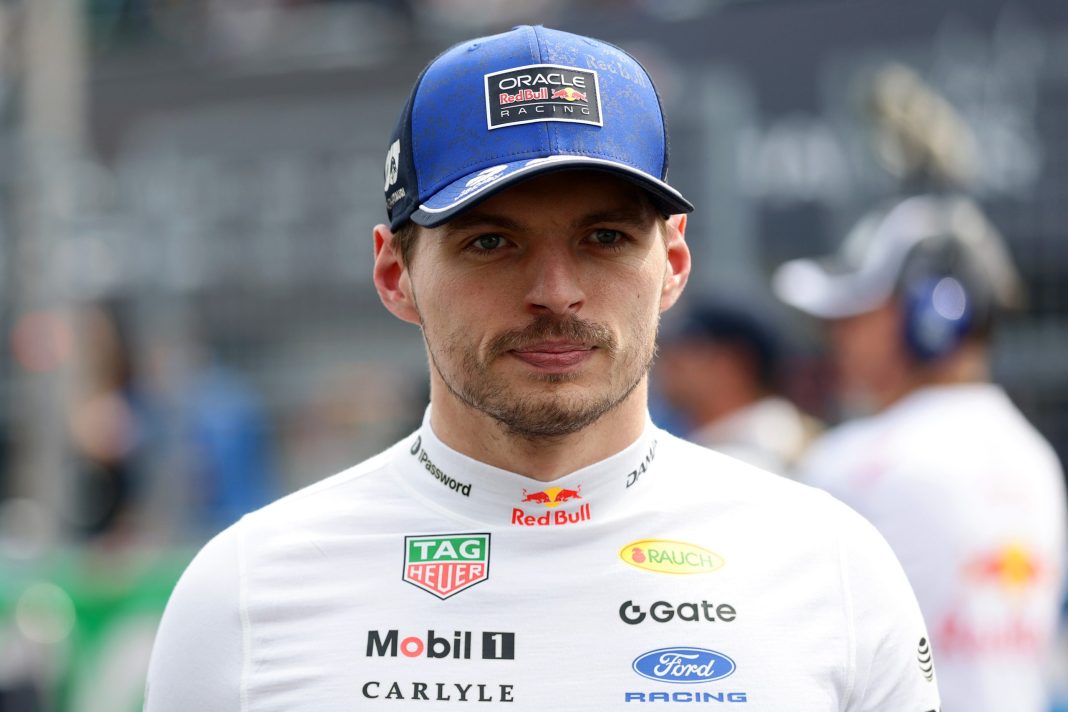

Max Verstappen: The $70 Million Underdog of Formula 1 – Why Are F1 Drivers Still Underpaid?
In the glitzy world of Formula 1, few names resonate with the same electrifying power as Max Verstappen. The reigning four-time world champion and Dutch dynamo commands an astonishing salary of $70 million per year, all tax-free, thanks to the lucrative tax breaks in Monaco. But here’s the million-dollar question: Why are our beloved F1 stars still being shortchanged?
While Verstappen's paycheck may sound staggering, it pales in comparison to the extravagant earnings of athletes in other sports. Take Cristiano Ronaldo, for instance. The football icon's recent move to Al-Nassr has catapulted him to an astronomical annual salary of £177 million—far surpassing what Verstappen and his fellow F1 drivers bring home. It’s shocking to think that Verstappen, who single-handedly propels Red Bull Racing and contributes massively to F1’s allure, is earning a fraction of what a footballer makes for kicking a ball around.
Let’s not mince words: Formula 1 is an adrenaline-fueled sport where drivers risk life and limb at breakneck speeds, and yet Verstappen is only taking home $70 million while legends like Lewis Hamilton, with his seven world titles and a base salary of $60 million, still find themselves in a wage disparity that defies logic. How can Verstappen's earnings not reflect the sheer danger and skill involved in competing at such a high level?
When we look back at the great Michael Schumacher, who was raking in $30 million per year in the mid-90s while racing fewer events, it’s clear that Verstappen's salary is not keeping pace with inflation or the immense growth of the sport. With the number of races now soaring to 24 weekends a year, asking a modern-day champion to settle for yesterday's pay is an insult to both him and the sport.
Consider the statistics: Verstappen accounted for a jaw-dropping 74.2% of Red Bull's championship points in 2024 alone. This dominance isn’t merely a reflection of his driving prowess; it underscores the immense marketing value and fan engagement he brings to the racing series. If he were to threaten retirement, the implications for Formula 1’s financial landscape would be catastrophic.
F1 has enjoyed a surge in popularity thanks to Netflix’s “Drive to Survive” series, yet the question remains—are the financial benefits trickling down to the sport's stars? Liberty Media, the owners of F1, are reaping the rewards, but the vast sums generated seem to be bypassing the very athletes who drive the spectacle.
The current salary structures are telling. With driver salaries exempt from the cost cap, it raises eyebrows as to why these elite athletes are not being compensated appropriately. The figures are stark: while Apple pays $150 million per year for F1’s U.S. broadcasting rights, the NFL’s rights deal is worth an eye-popping $11 billion. This stark contrast begs the question—does Formula 1 simply not generate enough revenue to match the salaries that its top talents deserve?
It's time for a seismic shift in how F1 drivers are valued. Verstappen, already a household name, must leverage his star power to reset the pay scale for the entire grid. The Dutchman insists he races for the love of the sport rather than financial gain, but the reality is that if the sport wants to attract and retain its elite talent, it must start offering salaries that reflect the inherent risks and rewards associated with F1 racing.
As the motorsport world watches closely, the message is clear: Verstappen and his fellow drivers are not just employees; they are the lifeblood of Formula 1. It’s high time they receive the compensation that matches their exceptional contributions to this high-octane universe. The future of F1 depends on it!