
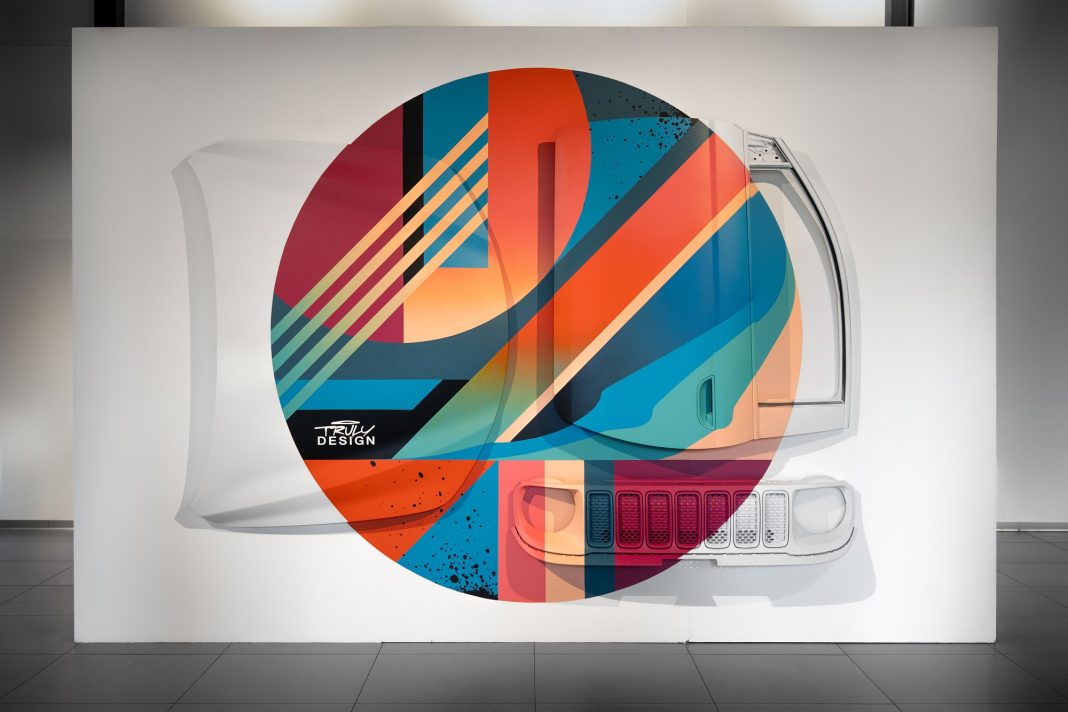

Stellantis has once again demonstrated that sustainability can go far beyond engineering and enter the realm of creativity. Through its SUSTAINera division, the group presented the project “The Art of Reuse” at Milan Design Week 2026, an installation that combines art, design, and the automotive industry to redefine the concept of reuse.
Reuse as an Artistic Language
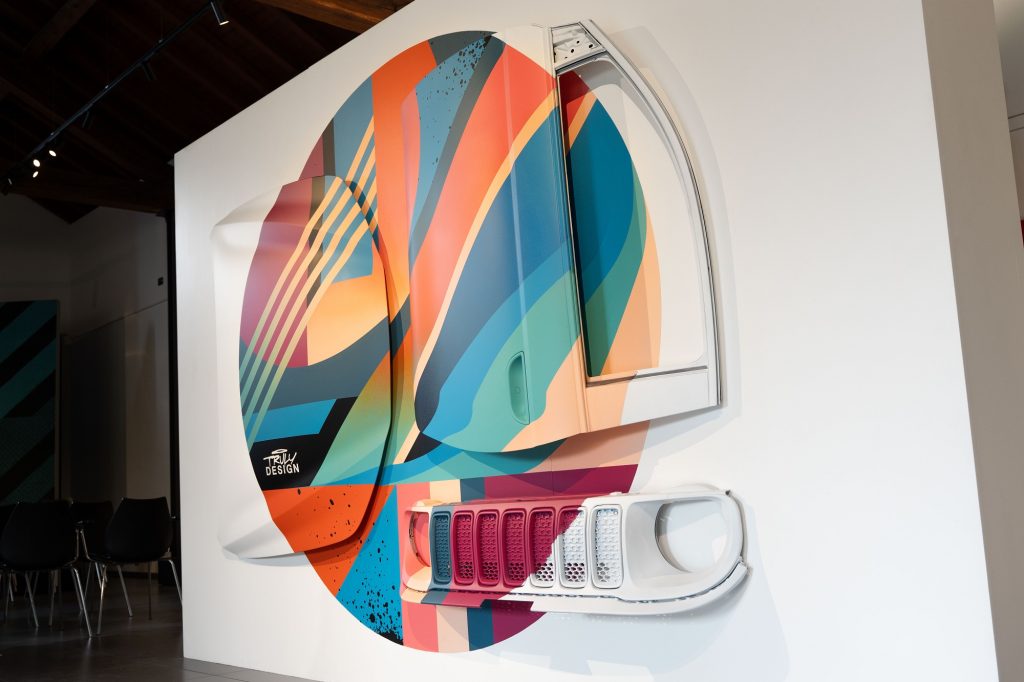
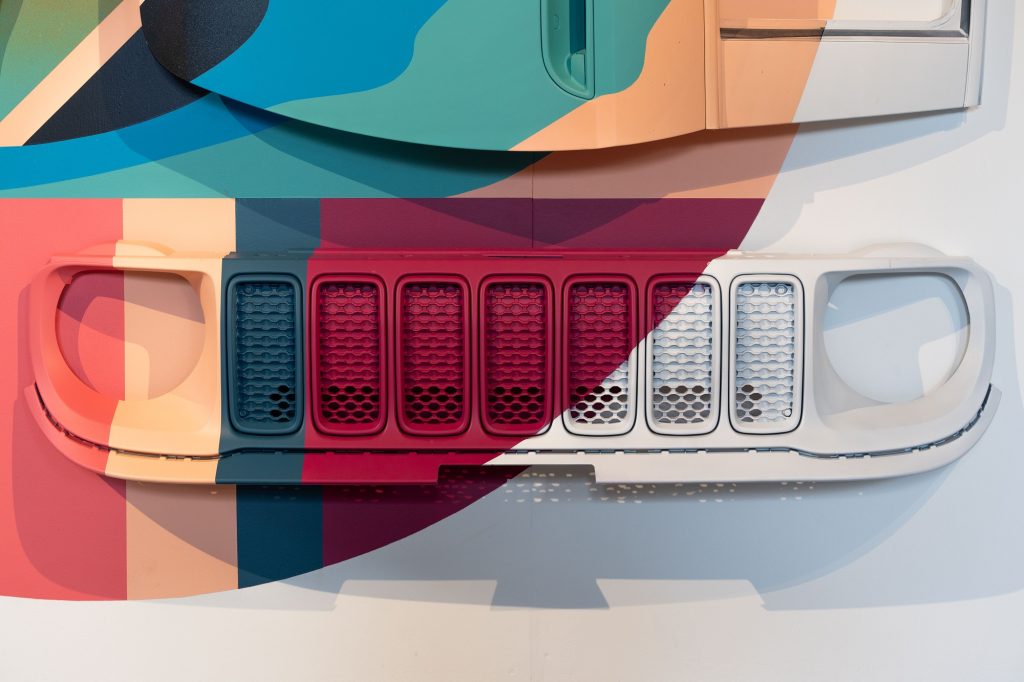
The centerpiece of this initiative is a work created by the Italian collective Truly Design, which transforms used automotive components — such as grilles, doors, and body panels — into artistic elements.
These materials were recovered from Stellantis’s dismantling center in Mirafiori, Turin, and reinterpreted as a dynamic visual composition that symbolizes the regeneration of materials.
At the center of the work, a circle represents the ecosystem of the circular economy, while four diagonal bands evoke the pillars of the SUSTAINera strategy:
- Reuse
- Reconstruction
- Repair
- Recycling
Circular economy as a global strategy
More than an artistic installation, the project reflects a concrete strategy. Stellantis is expanding its global reuse ecosystem, responding to the growing demand for more sustainable and accessible solutions in the automotive after-sales market.
By offering reused parts, SUSTAINera allows for cost reductions of up to 70% compared to new components, while maintaining standards of quality and functionality.
Accelerated growth in the reuse business
The numbers confirm the relevance of this approach:
- growth of 51% in 2025 in the reuse business
- expansion of the B-Parts digital platform in Europe and North America
- strengthening presence in markets such as Brazil
Stellantis also announced the creation of a third dismantling center, which will join the units in Italy and Brazil, reinforcing the global capacity for recovery and reuse of components.
Connection to the new generation of designers
One of the pillars of the initiative also involves the connection to the academic world. In partnership with IAAD (Institute of Applied Art and Design), SUSTAINera promotes workshops and projects that encourage young creators to explore new applications for reused materials.
During Design Week, students were challenged to transform automotive waste — such as fabrics and leather — into new solutions for areas such as:
- fashion
- interior design
- accessories
Sustainability with cultural value
The initiative demonstrates how the circular economy can transcend its technical dimension and become a cultural movement, capable of engaging different audiences through art and design.
The “Still Life” campaign, which inspired the concept, reinforces this message: giving a second life to materials is not only an environmental necessity but also a creative opportunity.
A new paradigm for the automotive industry
With projects like this, Stellantis positions itself at the forefront of the industry’s transformation, where sustainability, innovation, and user experience intersect.
More than recycling, the brand proposes to rethink the entire life cycle of products, creating value from what was previously considered waste.