
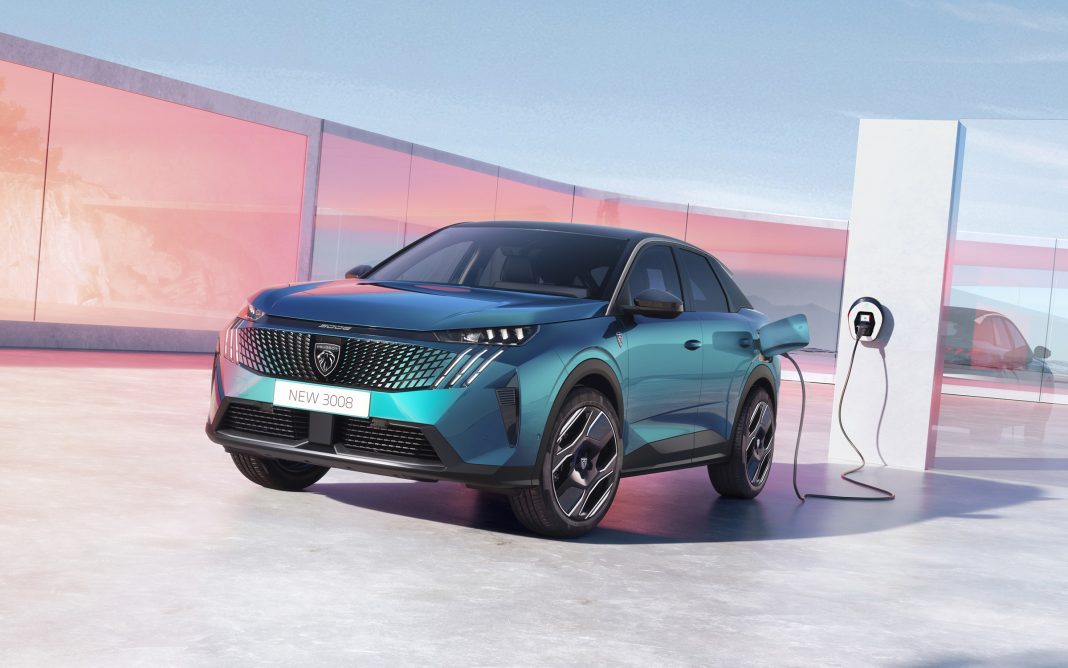

Peugeot has decided to take a step forward in adapting to future European requirements by aligning the commercial designation of its plug-in hybrid models with the new protocol that will be imposed by the Euro 7 standard.
Euro 7 introduces a new way to measure power
The future European regulation introduces the GTR21 protocol, which redefines how the combined power of plug-in hybrid systems is homologated — that is, the sum of the thermal engine with the electric motor(s).
Although the standard will only come into effect:
- November 30, 2026 for new models
- November 30, 2027 for all new vehicles
Peugeot has decided to anticipate the application of these rules.
Change only in designation, not in mechanics
It is important to emphasize: there are no technical changes to the vehicles.
- performance remains the same
- fuel consumption does not change
- emissions remain the same
The only difference is in the officially certified power, which will now follow the new calculation method.
New designations for the models
With this update, some models will have new commercial designations:
SUVs:
- Peugeot 3008 Plug-in Hybrid → 225 hp
- Peugeot 5008 Plug-in Hybrid → 225 hp
Fastback:
- Peugeot 408 Plug-in Hybrid → 240 hp
The Peugeot 308 Plug-in Hybrid had already been updated previously, now presenting 195 hp according to the new protocol.
Fiscal impact remains unchanged
Peugeot clarifies that this change does not affect the cost of registration or license plates, as this value continues to be calculated based on the power of the combustion engine — which has not changed.
Regulatory anticipation strategy
This decision positions the brand advantageously, aligning its models with future legal requirements, avoiding abrupt changes when the regulation comes into effect.
A sign of the future of the industry
The change reflects a broader trend in the automotive industry: greater rigor in performance measurement and transparency in communicating the characteristics of electrified vehicles.