
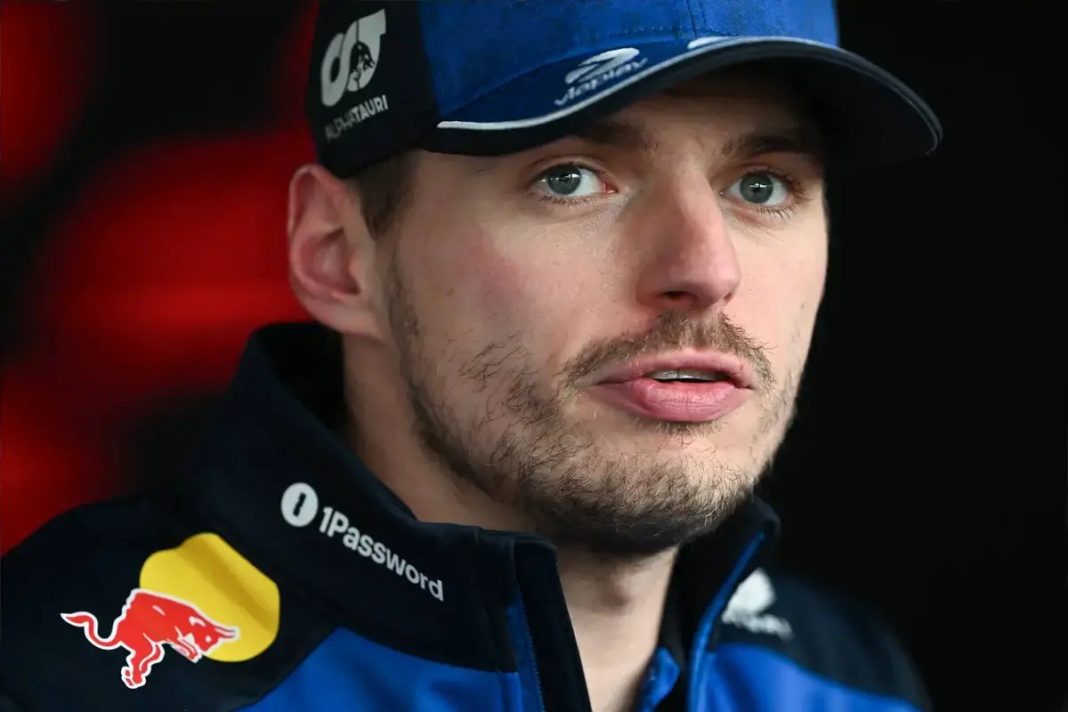

F1 2026: Are the Fastest Drivers Like Max Verstappen Being Held Back? Jean Alesi Drops a Bombshell!
In a shocking revelation that could change the landscape of Formula 1, legendary driver Jean Alesi has raised eyebrows by suggesting that the sport's top talents, including the sensational Max Verstappen, are being shackled by the stringent battery management systems introduced in 2026. Alesi’s assertions come as Verstappen grapples with the limitations of the new engine formula, which he has described as an “anti-racing” nightmare.
This season has been nothing short of chaotic, with whispers in the paddock hinting at an underlying turbulence that could spell disaster for the elite drivers. In a candid assessment, Alesi pointed out the glaring issue: today’s fastest drivers are no longer able to unleash their full potential on the track. “Max is struggling a lot at the moment,” Alesi declared, highlighting how the current regulations, which demand a delicate balance between combustion and electric power, are impacting drivers like Verstappen and Charles Leclerc.
Gone are the days when drivers could simply push their machines to the limit. Now, they find themselves engaged in a high-stakes game of battery conservation, with the need to “harvest” energy even during qualifying runs. Alesi lamented that this strategic play has pushed speed to the backburner, stating, “You see Max and Charles faster in every corner, but slower at the end of the lap time.” This stark contrast raises questions about the effectiveness of the new regulations and their repercussions on the sport.
Verstappen, who has been vocal about his frustrations, labeled the new engine designs as “Mario Kart” with “mushroom boosts,” a clear dig at the gimmicky nature of the current technology. His teammate, Isack Hadjar, has also faced challenges adapting to the Red Bull-Ford engine’s launches, leading to costly position losses at the start of races. Alesi believes that Verstappen's honesty in voicing these concerns is a vital component of pushing for improvements within the team, saying, “He cannot go to a press conference and say: ‘my team is fantastic, my car is fantastic, everything is perfect’.”
Alesi's insights signal a potential crisis brewing within the sport as the reliance on electric power and battery management continues to grow. With the championship on the line, the question remains: will the fastest drivers be able to overcome these hurdles, or will the new engine formula continue to hinder their performance?
As the F1 community turns its gaze towards the upcoming races, one thing is clear: the debate over battery management and its impact on driver performance is far from over. With Verstappen and his peers racing against the clock, fans are left to wonder if the sport's brightest stars can reclaim their glory amidst these daunting challenges. Will the regulations change, or are we witnessing a new era where speed takes a back seat to strategy? Only time will tell.