

F1 IN CRISIS: “We Risk Losing Lives!” – Urgent Calls for Safety Overhaul After Shocking Incident!
In a shocking turn of events that has sent ripples of fear throughout the Formula 1 community, the harrowing accident involving Oliver Bearman has ignited an urgent debate on safety standards in the high-octane world of motorsport. As tensions mount, influential figures are sounding the alarm on the perilous conditions that could lead to catastrophic outcomes.
The recent incident lays bare the stark reality of safety in F1, as commentators and experts alike voice their concerns over the dangerous dynamics of overtaking maneuvers exacerbated by the current regulations. With upcoming meetings scheduled for April 9 in London, the Formula 1 governing body faces mounting pressure to reconsider and urgently revise the existing rules that have come under intense scrutiny.
Renowned Northern Irish engineer Gary Anderson, whose illustrious career spans legendary teams like McLaren, Ensign, Jordan, Stewart, and Jaguar, has stepped into the spotlight with a dire warning. In a candid interview with the Telegraph, Anderson expressed grave concerns over the current regulatory framework, stating, “F1 must change these dangerous rules; otherwise, we risk losing lives. The FIA must take responsibility for Bearman's incident. It was an accident waiting to happen, where two cars with vastly different speeds share the same track. If it had occurred during a maneuver into Turn 1, it would have been akin to a plane crash—potentially fatal.”
Anderson continued his critique, emphasizing the need for reform: “A Grand Prix is no longer a physically demanding race, a fact that is evident on circuits like Suzuka, Spa, and Silverstone. While overtaking is thrilling, what we are witnessing lacks competitiveness; there is still much work to make it feel like a genuine race.”
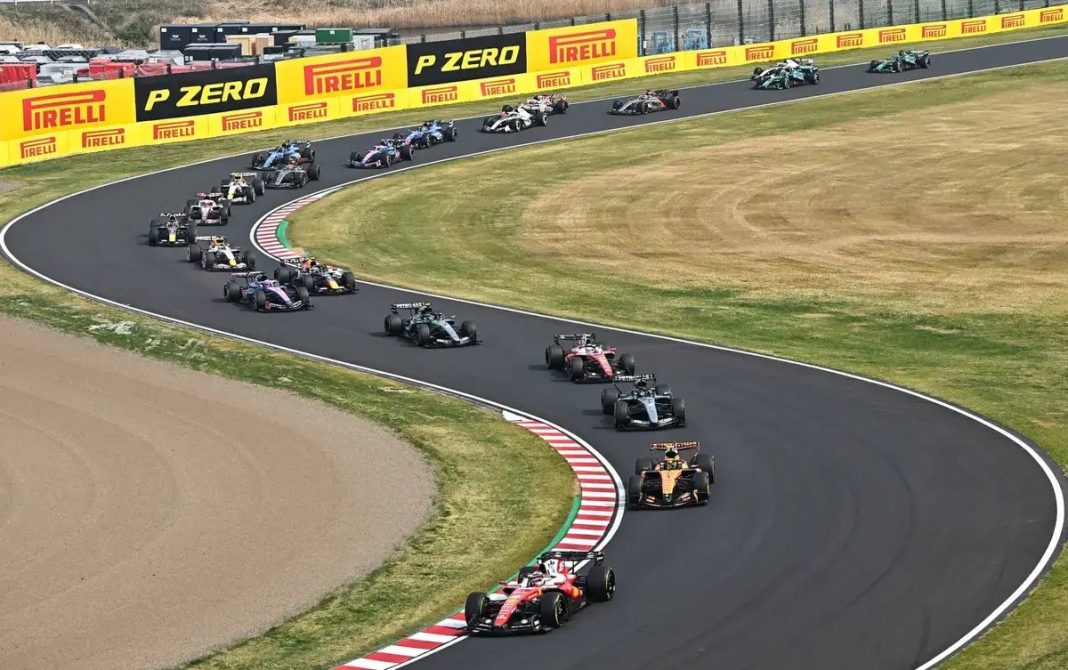
Echoing these sentiments, former world champion Jacques Villeneuve added his voice to the chorus of alarm. Speaking to Canal+, Villeneuve highlighted the inherent dangers of the current regulations, asserting, “In this race at Suzuka, we witnessed the negative side of the rules. The track was not conducive to proper overtaking, and we saw the perilous side of it with the Colapinto incident. The speed differential created a danger that should not exist.”
As the F1 community stands on the brink, the question looms: Will the governing bodies respond adequately to the growing clamor for change? With lives on the line and the specter of tragedy haunting the sport, it is imperative that Formula 1 acts decisively to enhance safety measures and restore faith among fans, drivers, and teams alike. The clock is ticking, and the stakes could not be higher.