
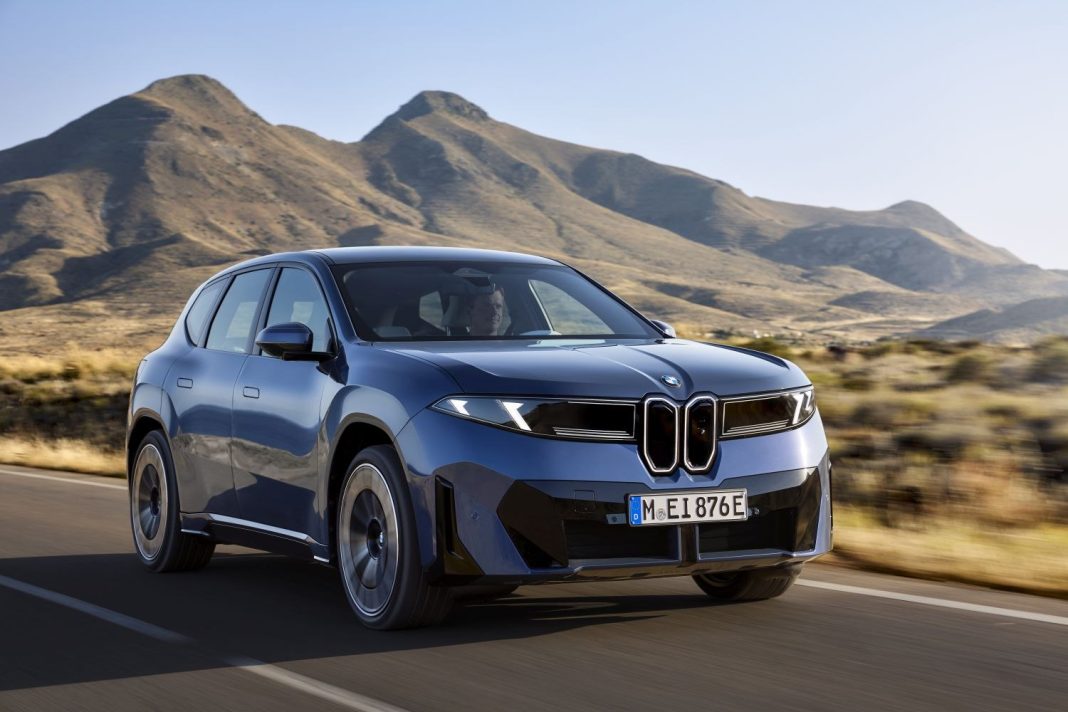

At first glance, the new BMW iX3 intended for the Chinese market seems to follow the usual formula of adapted versions: more space and generous dimensions. However, the differences go far beyond the additional centimeters — and reveal a deeper transformation, driven by local regulation and technology.
More space for the Chinese market
The Chinese version of the iX3 features a significant increase in dimensions, with an additional 108 mm in the wheelbase, reaching 3,005 meters, and an additional 103 mm in overall length, which now measures 4,885 meters.
This type of adaptation is common in China, where the preference for greater interior space, especially in the rear seats, directly influences the development of models.
Regulation forces an unexpected change
One of the most curious details of this version is in the door handles. Unlike the European version, which uses flush handles integrated into the body, the Chinese iX3 adopts a traditional system.
The change was motivated by new safety rules that will come into effect in China starting in 2027, prohibiting retractable handles. Although BMW could delay the change, it chose to anticipate the adaptation even before the model's launch.
Software with a strong Chinese identity
If the differences are visible abroad, it is in the digital interior that the Chinese version stands out the most. About 70% of the operating system of the iX3 sold in China has local origins.
The model integrates technology developed by various Chinese companies, including artificial intelligence solutions, navigation, connectivity, and autonomous driving.
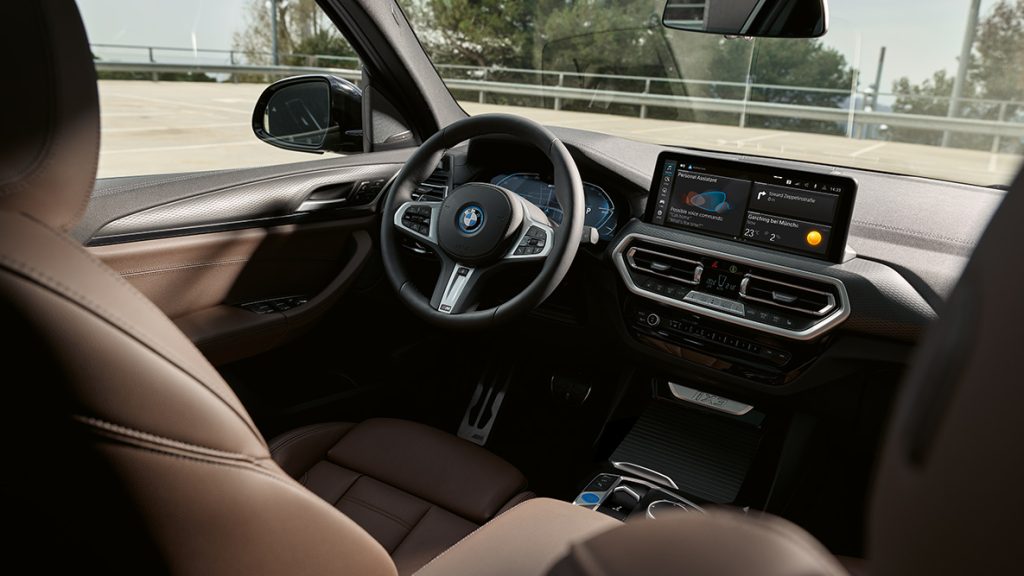
An iX3 with a local “accent”
This approach reflects a clear strategy: to adapt the vehicle not only to regulatory requirements but also to the technological preferences of the Chinese market.
The result is a deeply customized BMW iX3 that combines German engineering with a digital ecosystem strongly influenced by local partners.
A global model with a regional identity
Even having recently been distinguished as World Car of the Year 2026, the iX3 demonstrates that, in the largest automotive market in the world, automotive globalization increasingly involves local adaptation.
More than just a simple elongated version, the Chinese iX3 shows how legislation, technology, and culture can profoundly shape a global model.