
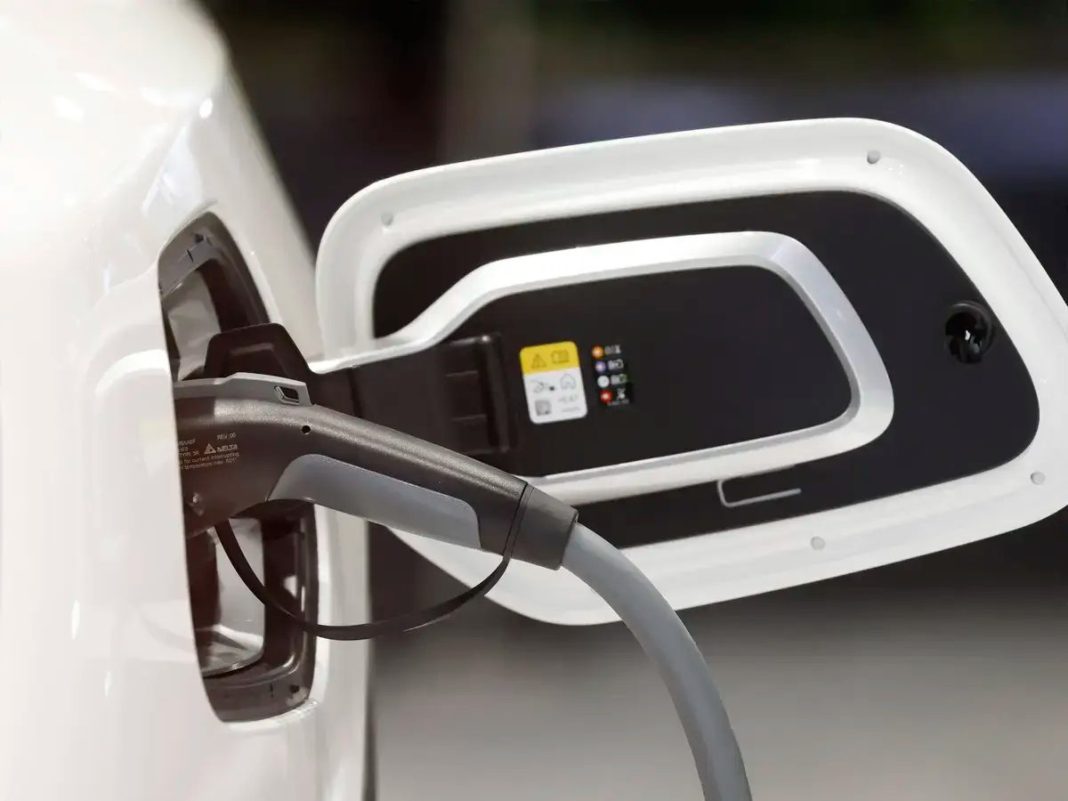

The rise in fuel prices, driven by the conflict in the Middle East, is accelerating a shift towards electric vehicles in the Asia-Pacific region, as consumers and businesses seek alternatives to oil and diesel.
Energy crisis pressures Asian markets
The near-total disruption of exports through the Strait of Hormuz — responsible for about one-fifth of the world's oil and gas supply — is heavily affecting Asia, which is the destination for over 80% of that energy flow.
This price shock is forcing governments and consumers to seek solutions to reduce costs, with electric vehicles emerging as an increasingly attractive alternative.
Demand for electric vehicles surges in Australia and New Zealand
In Australia, the impact is already visible: requests for financing for electric vehicles doubled in March, while inquiries from businesses increased by 88%.
Online demand has also surged, with searches for electric vehicles tripling in the last month. More than half of Australians now admit to considering the purchase of an EV.
In neighboring New Zealand, weekly registrations of electric vehicles exceeded 1,000 units, nearly double compared to the previous week, representing the best result since the end of 2023.
Japan begins to change, despite the hybrid tradition
In Japan, where electric vehicles still represent less than 2% of sales, the trend is beginning to reverse. The rise in energy costs is accelerating adoption, despite the strong historical investment in hybrid models.
The strengthening of government incentives, which can reach around 1.3 million yen per vehicle, and the investment announced by manufacturers such as Tesla in charging infrastructure, are contributing to this change.
South Korea follows growth trend
Also in South Korea, registrations of electric vehicles more than doubled in March compared to the previous year. The rise in fuel prices, combined with increasing competition among brands and government incentives, is driving demand.
Chinese manufacturers gain an edge
The increase in international demand represents a significant opportunity for Chinese manufacturers, who already dominate the domestic market, where electric and hybrid vehicles account for more than half of sales.
Brands like BYD are rapidly expanding their global presence, with exports representing an increasing share of total sales. By 2026, this proportion had already reached around 50% in the early months of the year.
Consumers change behavior in response to crisis
The energy crisis is altering perceptions. In markets like Thailand, rising fuel prices and supply difficulties are leading consumers who had never considered electric vehicles to visit dealerships and explore new options.
A turning point for mobility
The current situation is accelerating a structural transformation in mobility in the Asia-Pacific region. The increase in energy costs, combined with government incentives and a greater supply of electric vehicles, is creating a favorable environment for the transition.
In a scenario of geopolitical uncertainty, electric vehicles are increasingly asserting themselves as an economic and strategic solution for consumers and businesses.